

The Coral Reefs of Curaçao, Bonaire and Aruba.
Although the three islands are often grouped together as the ABC Islands, their underwater worlds are not identical. Their geology, currents, exposure to waves, human activity and local conservation measures all influence the reefs.
Together, Curaçao, Bonaire and Aruba form an important part of the southern Caribbean's coral reef ecosystem — a world of living architecture where every crack, crevice and coral branch can be home to another small creature.
And perhaps that is what makes a coral reef so fascinating: what looks like a colorful underwater landscape is actually a living community, constantly growing, competing, feeding and changing.
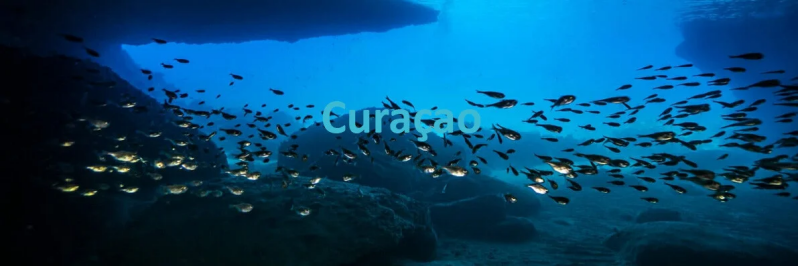
Curaçao is famous for its easily accessible fringing reefs, which run along much of the island's southern and western coastline. In many places, the reef begins only a short distance from shore, making it possible to explore impressive coral communities simply by snorkeling from the beach.
The underwater landscape changes quickly. Shallow reef flats give way to coral slopes and, in many locations, dramatic drop-offs into deeper water. The relatively dry climate and limited rainfall mean that Curaçao's coastal waters generally receive less sediment and freshwater runoff than many other Caribbean islands, creating conditions that can be favorable for coral growth.
Curaçao's reefs are home to an impressive variety of hard and soft corals, sponges and reef fish. Large elkhorn and staghorn corals can still be found in some areas, while deeper reefs contain enormous barrel sponges and colorful gorgonians.
The island is also known for its numerous shore-diving sites. Some reefs are just meters from the beach, which makes Curaçao particularly special for anyone who wants to discover the underwater world without needing a boat.
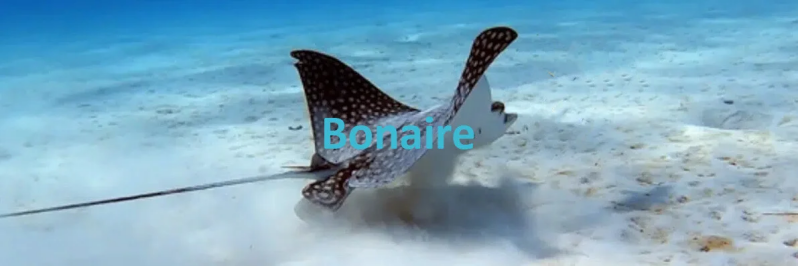
Bonaire is perhaps best known for its shore-accessible coral reefs. The island's coastline is lined with protected marine habitat, and many reef sites can be reached directly from the shore.
The Bonaire National Marine Park, established in 1979, protects a large part of the island's surrounding waters and has played an important role in conserving its marine ecosystems. Klein Bonaire, the small uninhabited island just offshore, is surrounded by particularly beautiful reef habitat.
Bonaire's reefs feature a mixture of hard corals, soft corals and sponges, with colorful reef fish living among them. Because many sites are close to shore and relatively easy to access, Bonaire has become one of the world's best-known destinations for shore diving and snorkeling.
One of the characteristic features of Bonaire's underwater landscape is the transition from shallow reef terraces to deeper water. In good conditions, the visibility can be exceptional, allowing divers and snorkelers to see the reef stretching out into the blue.
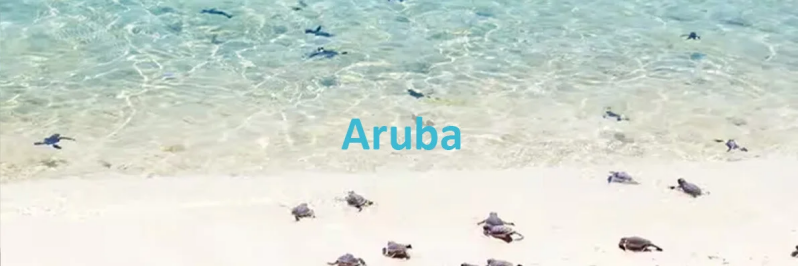
Aruba lies just west of Curaçao and Bonaire and shares the same generally dry, sunny climate. Its southern and western coasts contain a variety of coral reefs, rocky reef habitats and sandy areas, although the underwater landscape differs from site to site.
Some of Aruba's most interesting reef habitats are found around the southern coast and offshore islands and wreck sites. The island is also famous for its clear water and abundant marine life, making it popular with snorkelers and divers.
Aruba's reefs support many familiar Caribbean species, including parrotfish, surgeonfish, wrasses, damselfish, butterflyfish and angelfish. Soft corals and sea fans add movement and color to the reef, while sponges provide additional habitat for countless small creatures.
One of the most interesting features of Aruba is the combination of natural reef and artificial habitat. Shipwrecks and other submerged structures have become colonized by corals, sponges and marine life, gradually becoming part of the underwater ecosystem.