

LOBSTERS
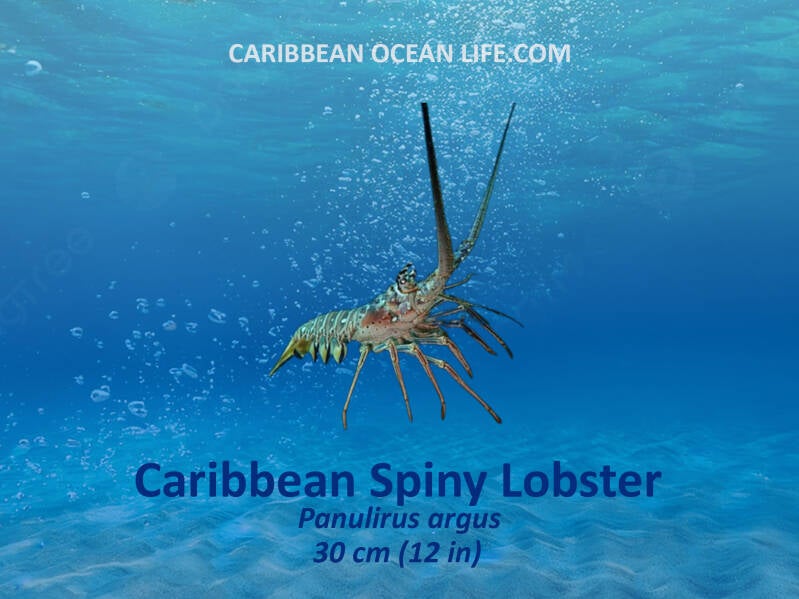
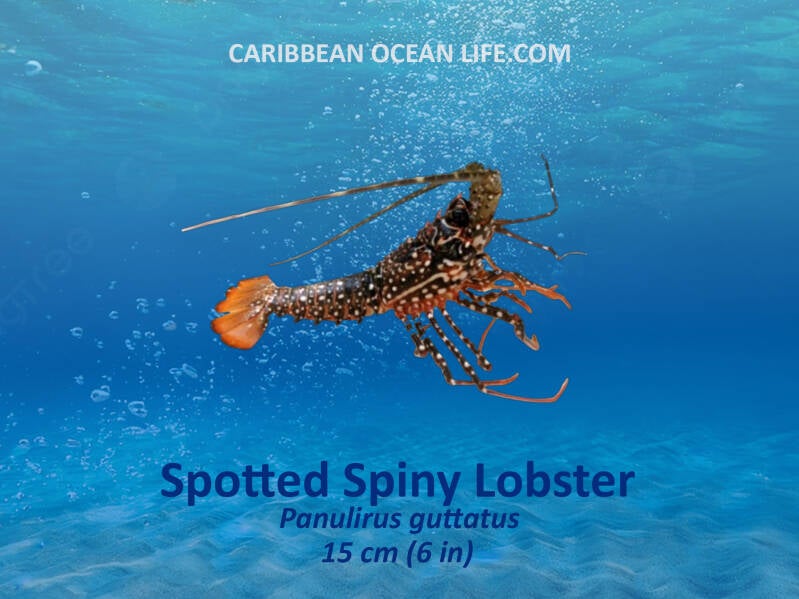
Spiny Lobsters at a Glance
👀 How common: Common to fairly common
🔬 Family: Palinuridae
📏 Size: Usually about 15–30 cm (6–12 in), depending on species
🌊 Habitat: Coral reefs, rocky areas, caves and crevices
⬇️ Depth: From shallow water to deeper reefs
🍴 Diet: Molluscs, crabs, worms and other bottom-dwelling animals
🌙 Activity: Mostly active at night
🐠 Behaviour: Hide in crevices during the day and emerge after dark to feed
📡 Special feature: Extremely long antennae help them explore their surroundings and detect danger
🦞 No claws: Unlike many other lobsters, spiny lobsters do not have large front claws
🛡️ Defence: A hard, spiny shell and long antennae help protect them from predators
🥚 Reproduction: Females carry thousands of eggs beneath their abdomen until they hatch
♻️ Ecological role: Important nocturnal predators and scavengers on the reef
🏝️ Curaçao, Bonaire & Aruba: Caribbean Spiny Lobster and Spotted Spiny Lobster occur around all three islands
What Makes them Special?
A Lobster Without Claws
Unlike the classic lobster, spiny lobsters have no large front claws. Instead, they rely on their tough, spiny armour and extremely long antennae for protection.
Antennae That Do More Than Feel
Their impressive antennae help them explore dark crevices and detect what is happening around them. When threatened, they can also use them defensively to keep predators at a distance.

Hiding by Day, Hunting by Night
During the day, spiny lobsters usually hide beneath ledges or deep inside reef crevices, often with only their antennae sticking out. After dark, they emerge to search for food across the reef.
Safety in Numbers
Spiny lobsters are often found sharing the same shelter. Living together can provide extra protection, with many pairs of sensitive antennae helping to detect approaching danger.
A Remarkable Journey
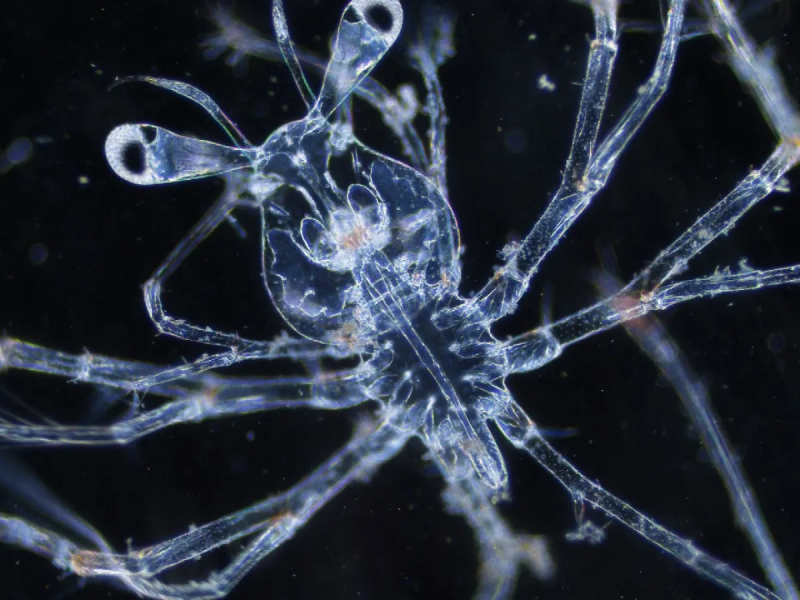
Newly hatched spiny lobsters look nothing like their parents. They begin life as tiny, transparent, leaf-like larvae called phyllosoma larvae, which drift in the open ocean for months before eventually returning to coastal habitats and transforming into juvenile lobsters.

Lobsters on the Move
Caribbean Spiny Lobsters sometimes leave their shelters and travel across the seafloor in long single-file lines. Each lobster follows closely behind the one in front, sometimes creating impressive processions of dozens of animals. These migrations can be triggered by seasonal changes, falling water temperatures and approaching storms.
Spanish Slipper Lobster
Spanish Slipper Lobster at a Glance
👀 How common: Uncommon, and easy to overlook
🔬 Scientific name: Scyllarides aequinoctialis
📏 Size: Usually about 20–25 cm (8–10 in), up to about 30 cm (12 in)
🌊 Habitat: Coral and rocky reefs, often around caves, ledges and crevices
⬇️ Depth: From shallow reefs to deeper water
🍴 Diet: Mainly molluscs and other bottom-dwelling animals
🌙 Activity: Mostly active at night
🐠 Behaviour: Usually solitary, hiding in sheltered places during the day
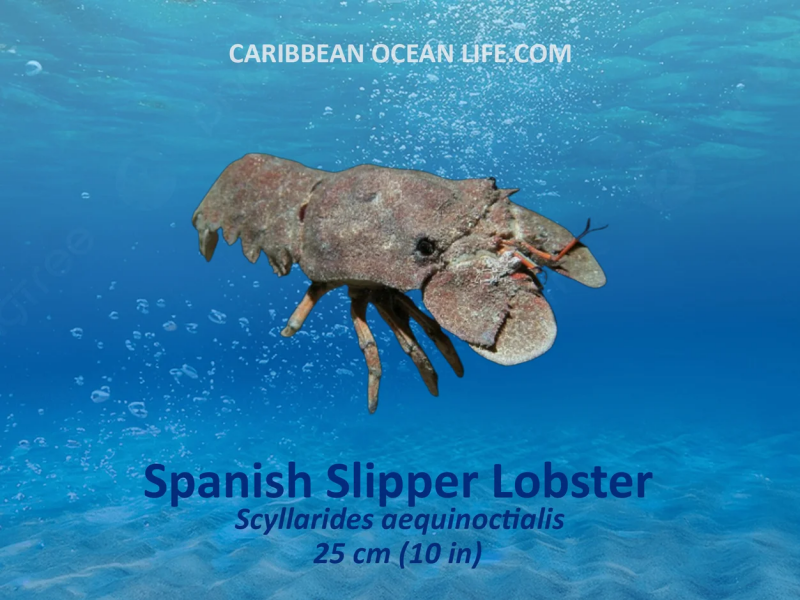
🦞 Special feature: Broad, flattened antennae form distinctive shovel-like plates in front of the head
🛡️ Defence: A heavily armoured, flattened body provides protection and helps it hide against the reef
🎨 Camouflage: Its mottled brown colouring blends remarkably well with rocks and coral
🥚 Reproduction: Females carry their eggs beneath the abdomen until they hatch
♻️ Ecological role: Nocturnal bottom-dwelling predator
🏝️ Curaçao, Bonaire & Aruba: Found around the ABC islands, but seen less often than the Caribbean Spiny Lobster
Why are they special?
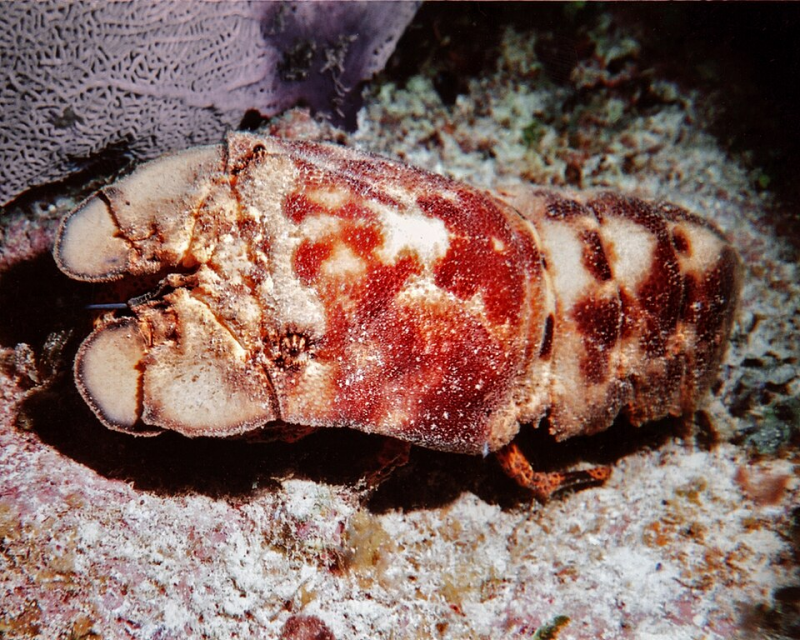
Where Are the Long Antennae?
Unlike Spiny Lobsters, Slipper Lobsters don't have long, whip-like antennae. Instead, their antennae have evolved into broad, flattened plates that look almost like little shovels.
Built Like a Tank
Their wide, flattened body is covered by tough armour. Combined with their mottled colouring, this makes them surprisingly difficult to spot when they are resting against rocks or coral.
Masters of Staying Hidden
During the day, Spanish Slipper Lobsters usually remain tucked beneath ledges or inside crevices. After dark, they emerge to search the reef for food.
Crushing Their Dinner
Slipper Lobsters feed on hard-shelled animals such as snails and other molluscs. Instead of large claws, they use their strong legs and mouthparts to handle and break open their prey.
A Very Ancient Design
Slipper Lobsters belong to an ancient group of crustaceans. Their unusual flattened shape and plate-like antennae make them look quite different from the lobsters most people expect to see.