

SURGEON FISH
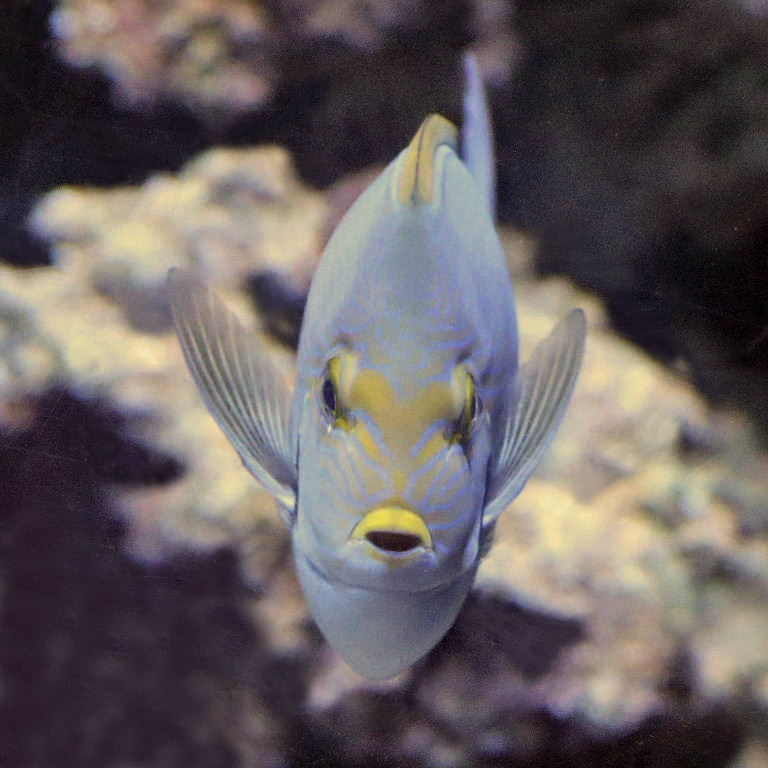
Surgeonfishes at a Glance
👀 How common: Very common — surgeonfishes are among the fish you are most likely to see while snorkelling or diving around Curaçao, Bonaire & Aruba
🔬 Scientific family: Acanthuridae
📏 Size: Approximately 15–40 cm (6–16 in) for the species commonly seen around the ABC islands
🌊 Habitat: Coral reefs, rocky reefs, reef flats and other shallow coastal areas
⬇️ Depth: From very shallow water to deeper reef slopes
🌿 Diet: Mainly algae and other plant material scraped or grazed from rocks and reef surfaces
🌎 Distribution: Tropical and subtropical seas worldwide
🐠 Behaviour: Often seen actively grazing, either alone, in small groups or in large schools
🥚 Reproduction: Eggs and sperm are released into the open water, where fertilisation takes place
🔪 Special feature: Sharp, scalpel-like spines on each side of the tail are used for defence and give surgeonfishes their name
🎨 Colour: Colour can change with age and sometimes with mood or social behaviour
🐣 Juveniles: Juveniles can look very different from adults; young Blue Tangs, for example, are bright yellow
♻️ Ecological role: Important reef grazers that help prevent algae from becoming overgrown and competing with corals
🏝️ Curaçao, Bonaire & Aruba: The three characteristic surgeonfishes are the Blue Tang, Doctorfish and Ocean Surgeonfish.


What makes them special?
Surgeonfishes belong to the family Acanthuridae. Most Caribbean species are important algae grazers, constantly picking and scraping algae from rocks and reef surfaces. In doing so, they help prevent algae from overgrowing corals.
Their bodies are generally oval and laterally compressed, allowing them to move quickly through the reef. Many species have striking colours, from vivid blue to yellow, grey and brown.

Always on the move
Surgeonfishes are often seen grazing continuously during the day. Some species travel alone, while others form schools containing dozens or even hundreds of fish.
Large schools can move across the reef like a single organism, feeding as they go. This constant grazing plays an important role in keeping the reef ecosystem in balance.

Juveniles look surprisingly different
Juvenile surgeonfishes can look surprisingly different from adults. Their colours and markings often change as they grow, sometimes becoming much more vivid.
The Blue Tang, for example, begins life with a predominantly yellow colouring before gradually developing the blue body of the adult.

Why Are They Called Surgeonfishes?
Why Are They Called Surgeonfishes? Surgeonfishes get their name from the razor-sharp, scalpel-like spines located on both sides of the base of their tail. These spines resemble a surgeon’s scalpel and are used for defence when the fish feels threatened.
The spines normally lie flat against the body, but a surgeonfish can expose them by moving its tail sideways, a very good reason to admire these beautiful fish without touching them!