

RAYS

Rays at a Glance
👀 How common: Southern Stingrays and Yellow Stingrays are regularly seen around the ABC islands. Spotted Eagle Rays are less common, while encounters with Manta Rays are rare and unpredictable
🔬 Group: Rays belong to the cartilaginous fishes, making them close relatives of sharks
📏 Size: From small Yellow Stingrays less than 1 m (3.3 ft) long to enormous Manta Rays several metres across
🪽 Body: Their enlarged pectoral fins form broad, wing like discs that allow them to move gracefully through the water
🦴 Skeleton: Made of cartilage rather than bone, just like sharks
🌊 Habitat: Depending on the species, rays can be found on sandy bottoms, around coral reefs, in coastal waters or in the open ocean
🍴 Diet: Many rays feed on mollusks, crustaceans, worms and small fish. Manta Rays are filter feeders that eat plankton and other tiny organisms
👄 Mouth: Located on the underside in most bottom feeding rays, perfectly positioned for finding food on or beneath the seafloor
⚡ Special sense: Like sharks, rays can detect the tiny electrical fields produced by other animals, helping them locate hidden prey
🏖️ Camouflage: Bottom dwelling species may bury themselves almost completely in sand, leaving little more than their eyes and breathing openings visible
⚠️ Sting: Some species have one or more venomous spines on the tail for defense. They do not use them to hunt and usually sting only when threatened or accidentally stepped on
🥚 Reproduction: Many rays around the Caribbean give birth to live young rather than laying eggs
♻️ Ecological role: Rays are important predators of animals living on and beneath the seafloor and help shape healthy marine ecosystems
🏝️ Curaçao, Bonaire & Aruba: Several ray species occur around the ABC islands, from common shallow water stingrays to occasionally visiting Manta Rays
What Makes Rays Special?
Sharks With Wings
Rays and sharks are close relatives. Both have skeletons made of cartilage instead of bone, replace their teeth throughout life and possess highly developed senses. But rays took a very different evolutionary path, their bodies became flattened and their enlarged pectoral fins developed into broad, wing like structures.
They Can Sense Hidden Prey
Like sharks, rays possess the ampullae of Lorenzini, special sensory organs that detect tiny electrical fields produced by muscles and nerves. This allows a ray to find animals hidden beneath the sand, even when it cannot see them.
Breathing While Buried
Many bottom dwelling rays have openings called spiracles just behind their eyes. They can draw water through these openings and over their gills while lying on, or partly buried beneath, the seafloor.
Baby Rays

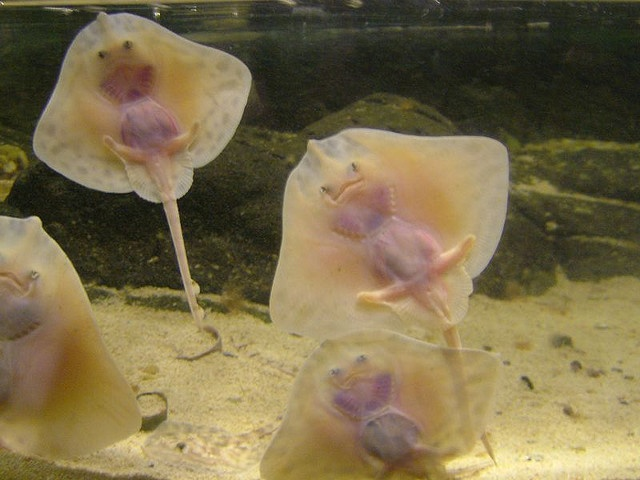
Born as Miniature Rays
Many Caribbean rays give birth to live young. The babies are essentially tiny versions of their parents, complete with the characteristic flattened body and broad fins.
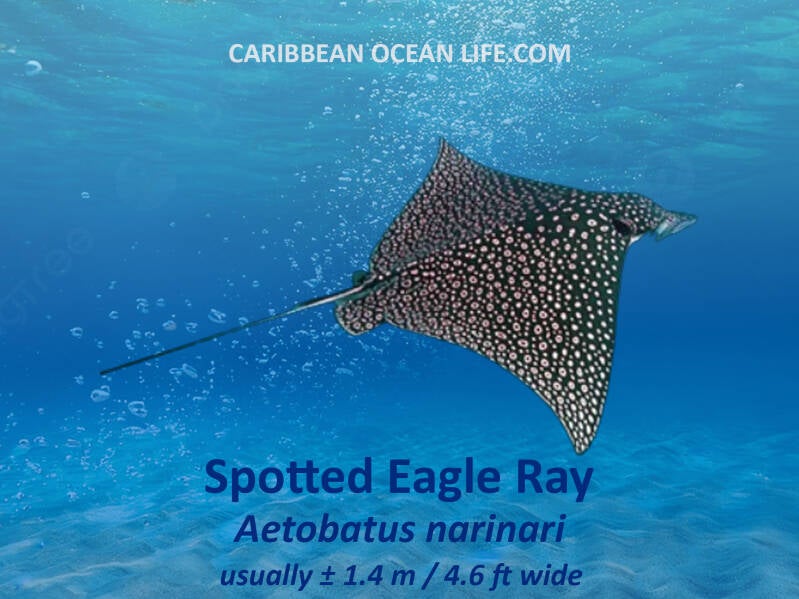
Spotted Eagle Ray
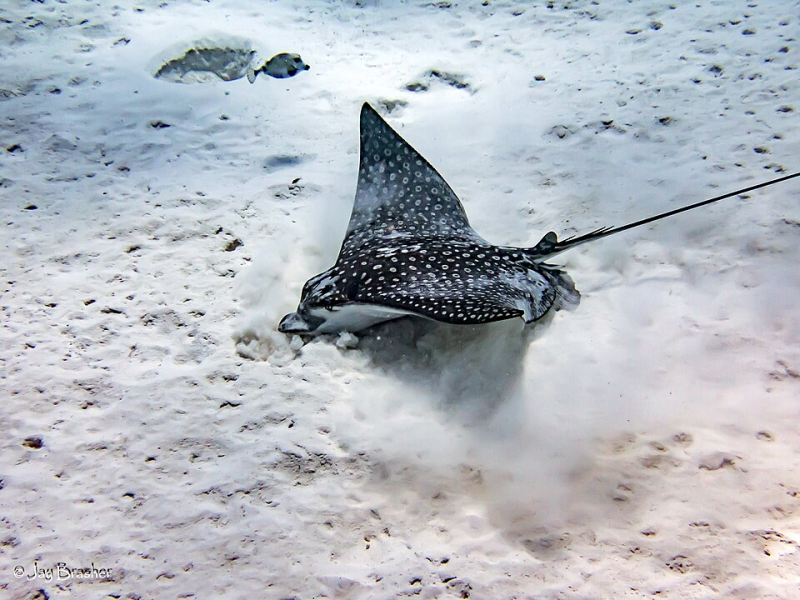
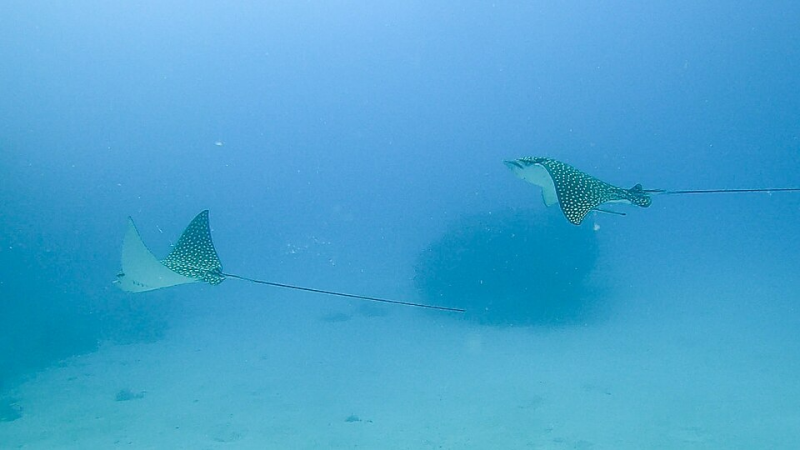
Built to Fly Underwater
Few fish look as though they are actually flying, but Spotted Eagle Rays come close. Instead of rippling their fins along the edges like many stingrays, they move their large pointed fins in powerful, graceful strokes.
They are also capable of leaping completely out of the water, although exactly why they do this is not always clear.
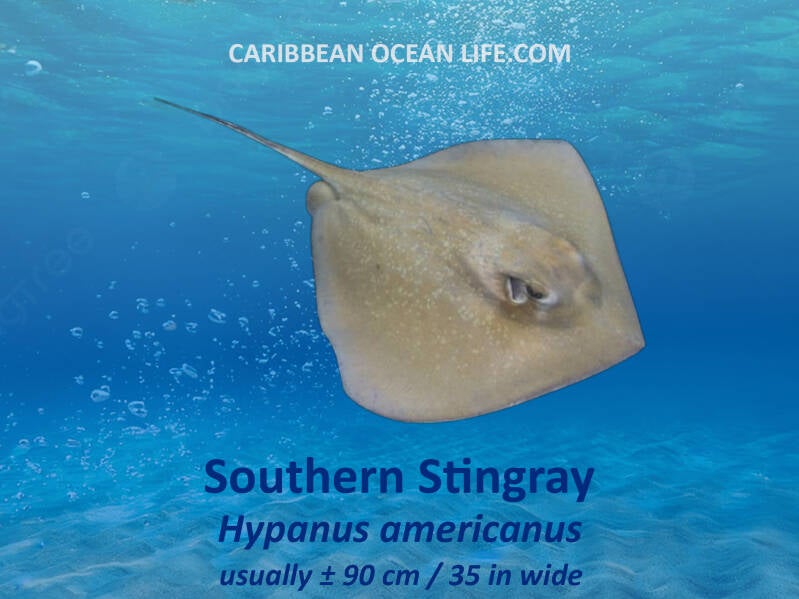
Southern Stingray
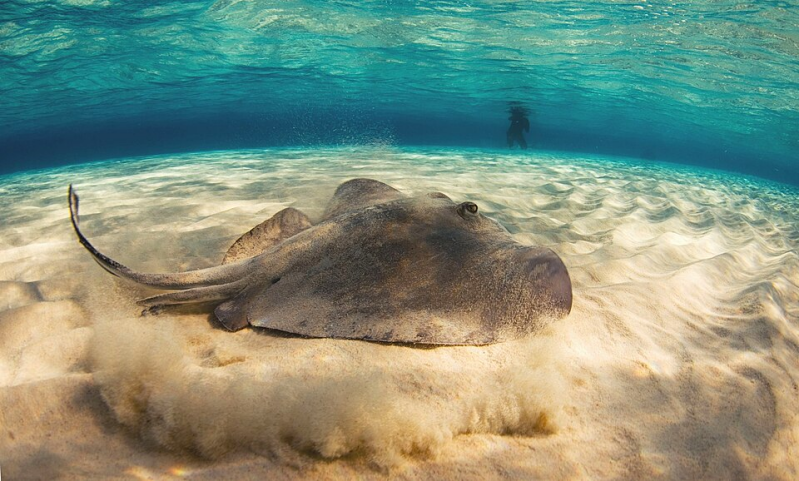
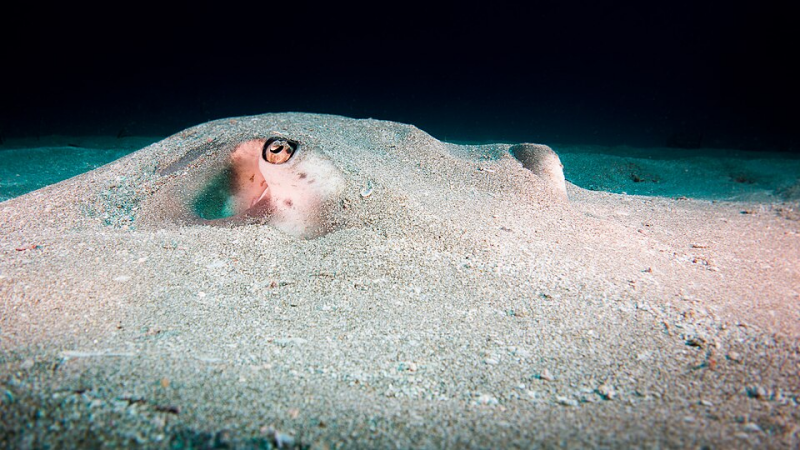
Photo: Kris Mikael Krister
The Sand Disappearing Act
Southern Stingrays can bury themselves almost completely beneath the sand by moving their broad fins. Often only their eyes and spiracles remain visible.
While searching for food, they disturb the sand and expose small animals, sometimes attracting opportunistic fish that follow behind looking for an easy meal.
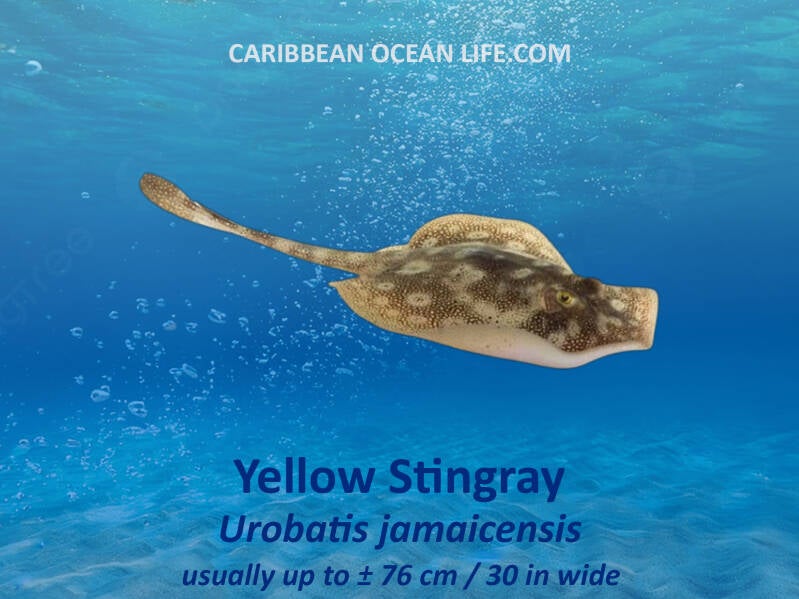
Yellow Stingray
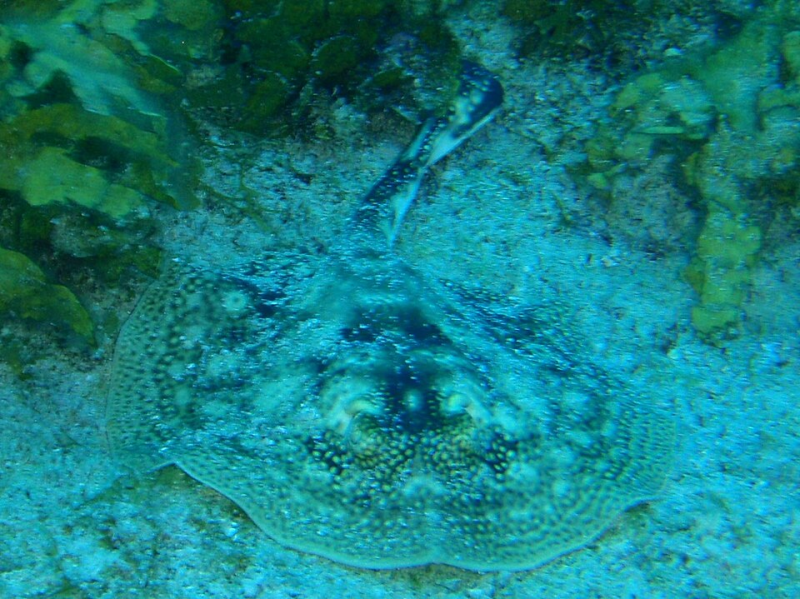
Photo: Andy Blackledge
Small but Beautifully Camouflaged
The Yellow Stingray is much smaller than the Southern Stingray and has an intricate pattern of spots and markings that blends beautifully with sand, rubble and seagrass.
When resting, it can become remarkably difficult to distinguish from the bottom.
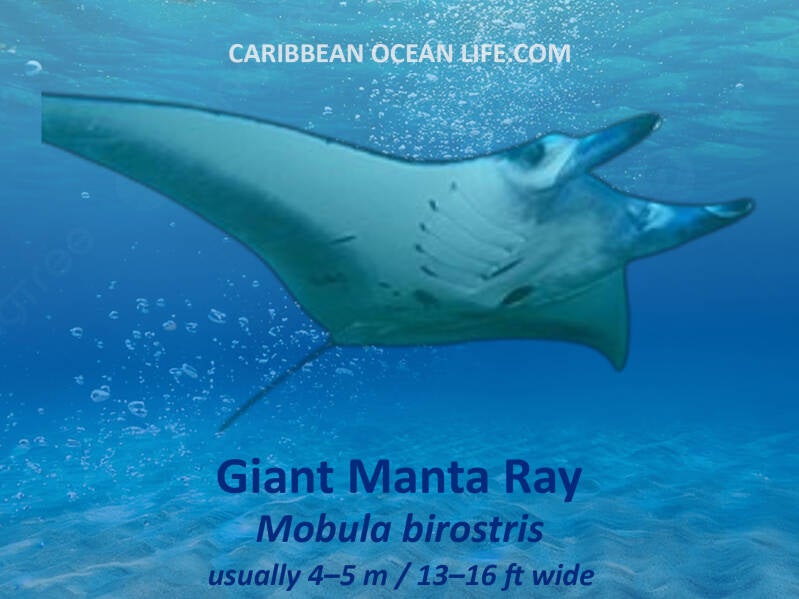
Giant Manta Ray
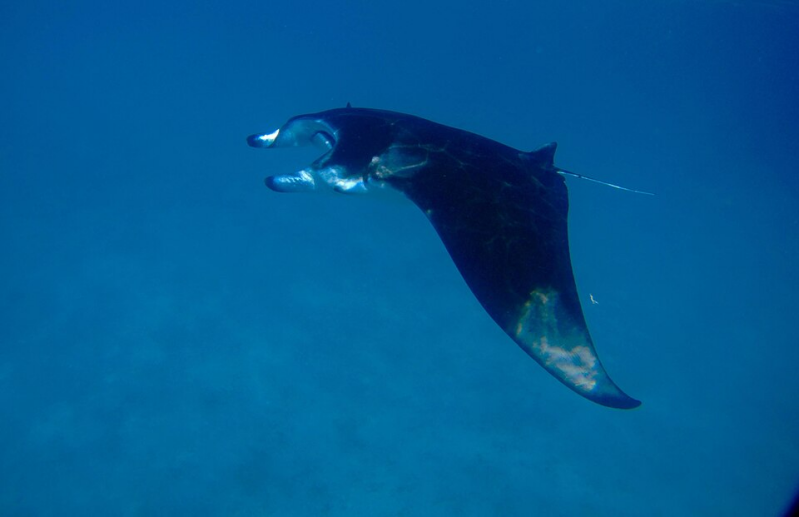
A Giant That Eats Tiny Food
Manta Rays are among the largest rays in the world, yet they feed on some of the smallest animals in the ocean. Their unusual horn like cephalic fins help funnel plankton rich water towards the enormous mouth.
Remarkably Intelligent
Manta Rays have the largest brain relative to body size of any fish. They show complex social and exploratory behavior and appear capable of learning and remembering.
Despite their enormous size, Manta Rays have no venomous tail spine and pose little threat to humans.