

SHARKS
Sharks at a Glance
👀 How common: Sharks occur throughout the Caribbean, but most species are only occasionally encountered by snorkelers and recreational divers around the ABC islands
🔬 Group: Selachimorpha, sharks belong to the cartilaginous fishes, together with rays and skates
📏 Size: From relatively small reef sharks to the enormous Whale Shark, which can exceed 10 m (33 ft)
🦴 Skeleton: Made of cartilage rather than bone, making it lighter and more flexible than a bony skeleton
🌊 Habitat: Coral reefs, coastal waters and the open ocean, depending on the species
🍴 Diet: Most are predators, feeding on fish, squid, crustaceans and other marine animals. The Whale Shark is a filter feeder that mainly eats plankton and small organisms
👃 Senses: Sharks have an excellent sense of smell and can detect vibrations and movement in the water
⚡ Electroreception: Special sensory organs called the ampullae of Lorenzini allow sharks to detect tiny electrical fields produced by other animals
🦷 Teeth: Shark teeth are continually replaced throughout their lives. New teeth develop behind older ones and move forward when needed
🥚 Reproduction: Depending on the species, sharks may lay eggs or give birth to live young
🌍 Ecological role: As predators, many sharks help maintain the balance of marine food webs and healthy ocean ecosystems
⚠️ Danger to humans: Sharks are wild predators and should always be treated with respect, but humans are not their normal prey and serious incidents are rare
🌱 Conservation: Many shark populations worldwide are threatened by fishing, bycatch, habitat loss and the shark fin trade
🏝️ Curaçao, Bonaire & Aruba: Several shark species occur in the waters around the ABC islands, although encounters close to shore are relatively uncommon
What Makes them Special?
Older Than the Dinosaurs
Sharks have existed for more than 400 million years. Their ancestors were swimming in ancient oceans long before the first dinosaurs appeared.
A Skeleton Without Bones
Unlike most fish, sharks have a skeleton made entirely of cartilage, the flexible material also found in our ears and nose. This makes their bodies relatively light and flexible.
They Can Sense Electricity
Sharks have tiny sensory organs around the snout called the ampullae of Lorenzini. These detect extremely weak electrical fields produced by muscles and nerves, helping sharks locate animals even when they are hidden beneath sand.
A Lifetime Supply of Teeth
Sharks continually replace their teeth. Instead of relying on one permanent set, new teeth develop in rows behind the working teeth and move forward as older ones are lost.
Perfectly Designed Predators
Sharks combine smell, vision, hearing, vibration detection and electroreception. Rather than depending on one extraordinary sense, they build a remarkably detailed picture of what is happening around them.
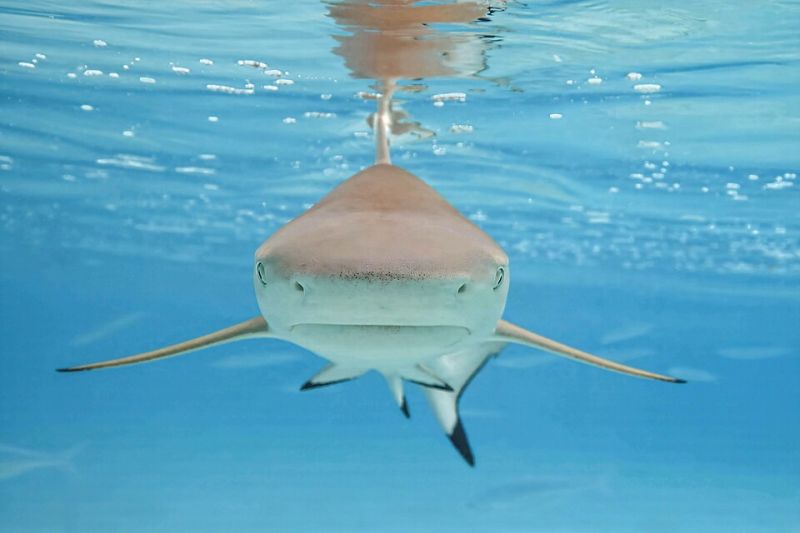
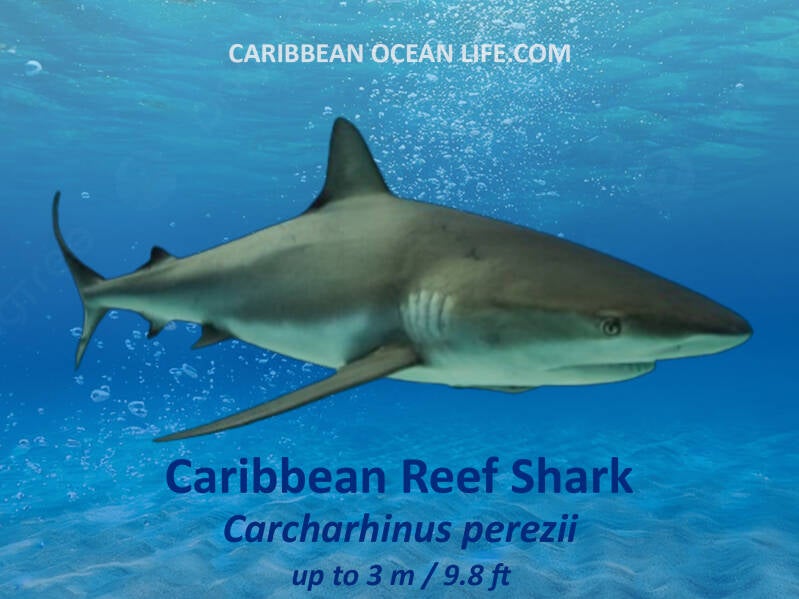
Caribbean Reef Shark

Photo: Dennis Hipp (Zepto)
The Classic Caribbean Shark
With its streamlined gray body, Caribbean Reef Shark is almost the perfect image of what most people imagine when they think of a shark. It is strongly associated with coral reef environments and is one of the characteristic large predators of Caribbean reefs.
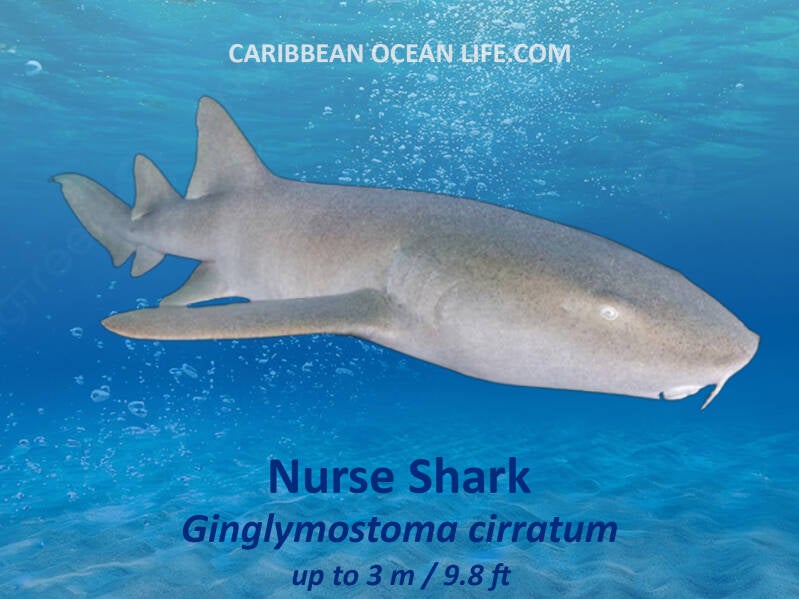
Nurse Shark

Photo: P.D
A Shark With a Vacuum Cleaner
Nurse Sharks feed very differently from fast chasing sharks. They can create powerful suction with their mouths, literally sucking fish, crustaceans and mollusks from holes and crevices in the reef.
They are also frequently seen resting motionless on the bottom, something many other shark species cannot do so easily.
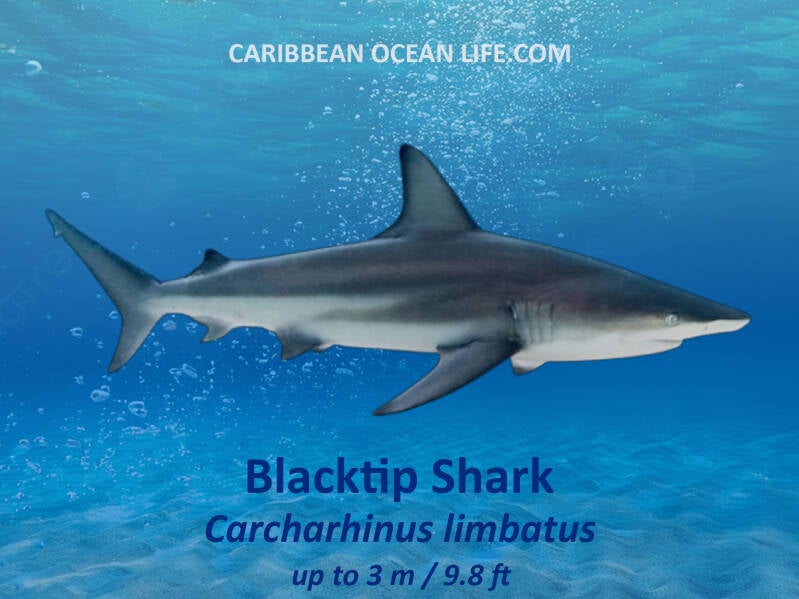
Blacktip Shark
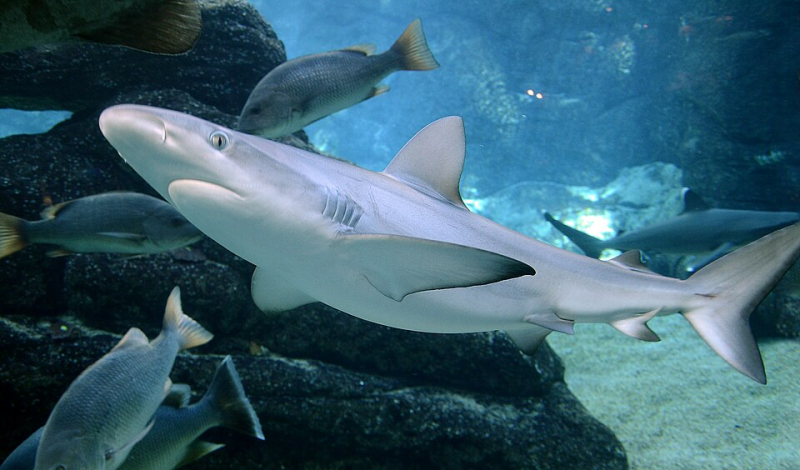
Photo: P.D
Born in the Shallows
Young Blacktip Sharks often use shallow coastal waters as nursery areas. These warmer, protected habitats provide young sharks with food while reducing encounters with some larger predators.
And yes, those distinctive dark tips on the fins make the name wonderfully straightforward for once.
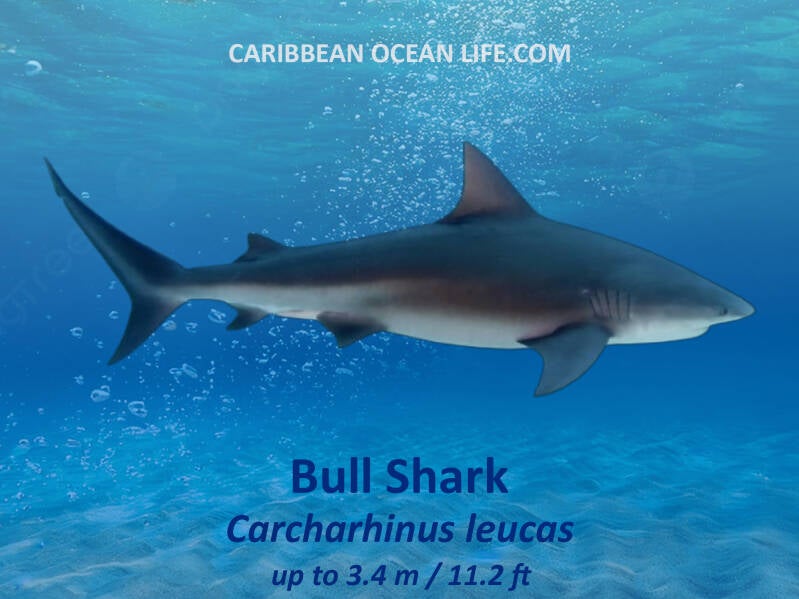
Bull Shark

At Home in Fresh Water
Bull Sharks possess an extraordinary ability to regulate the salt concentration in their bodies. This allows them to move from the ocean into freshwater rivers and even travel far inland.
Bull Sharks have been recorded thousands of kilometres upriver, making them one of the few sharks truly comfortable in both marine and freshwater environments.
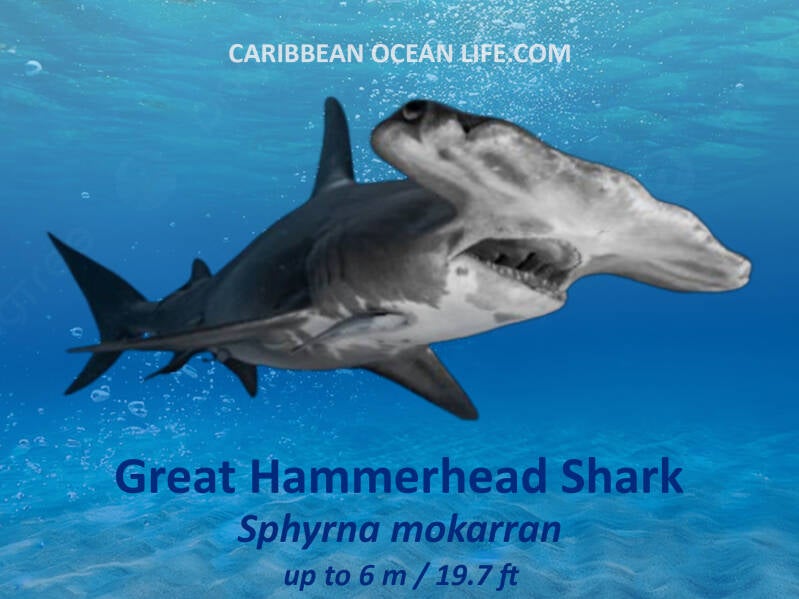
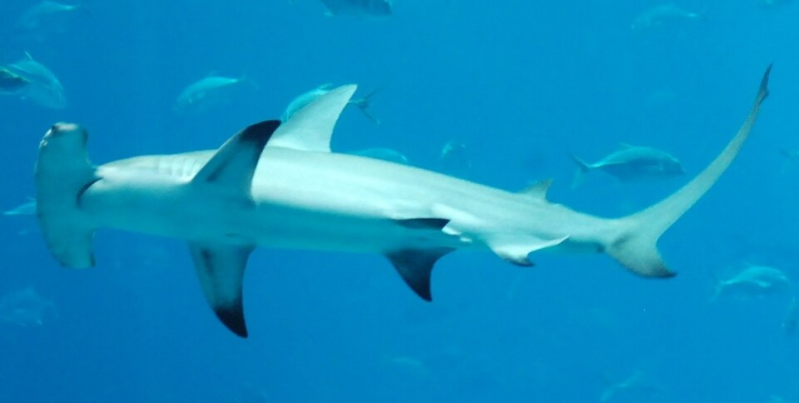
Great Hamerhead Shark
A Head Full of Sensors
That extraordinary hammer shaped head is called a cephalofoil. Its wide shape spreads the shark's sensory organs over a larger area and may help it detect electrical signals from prey.
Great Hammerheads are particularly skilled at hunting stingrays, sometimes using the broad head to pin a ray against the seafloor.
Born in Different Ways
Sharks have several ways of reproducing. Some species lay eggs, while many others give birth to live young. In some sharks, the developing pups are even connected to their mother through a placenta like structure.
Tiger Sharks, Nurse Sharks and Whale Sharks also give birth to live young, but their embryos develop from eggs that hatch inside the mother.
Whale Sharks are particularly remarkable: one pregnant female was found carrying more than 300 embryos.