

BASSLETS

Basslets at a Glance
👀 How common: Common to fairly common — basslets are regularly seen around Curaçao, Bonaire & Aruba, especially by divers; some species prefer deeper reef areas and are less often noticed by snorkellers
🔬 Scientific family: Grammatidae
📏 Size: Usually about 5–10 cm (2–4 in)
🌊 Habitat: Coral and rocky reefs, particularly around ledges, caves, crevices and overhangs
⬇️ Depth: From shallow reefs to well over 100 m (330 ft), depending on the species
🍤 Diet: Mainly zooplankton and tiny crustaceans captured from the water
🌎 Distribution: Tropical western Atlantic, including the Caribbean
🐠 Behaviour: Usually found close to shelter, often hovering near reef walls or beneath overhangs; generally solitary or in loose groups
🥚 Reproduction: Eggs are laid in protected nests or crevices and are guarded by the male
🎨 Colour: Often brilliantly coloured despite their small size, with vivid combinations of purple, yellow, blue and black
🙃 Special feature: Some basslets regularly swim upside down beneath ledges and cave roofs, keeping their belly oriented toward the surface they are swimming alongside
🐣 Juveniles: Similar in general appearance to adults, although colours and markings may develop as they grow
♻️ Ecological role: Small planktivores that transfer energy from tiny drifting organisms into the reef food web
🏝️ Curaçao, Bonaire & Aruba: The best-known species include the Royal Gramma (Gramma loreto) and Blackcap Basslet (Gramma melacara). The Royal Gramma is generally encountered in shallower water, while the Blackcap Basslet tends to prefer deeper reefs.
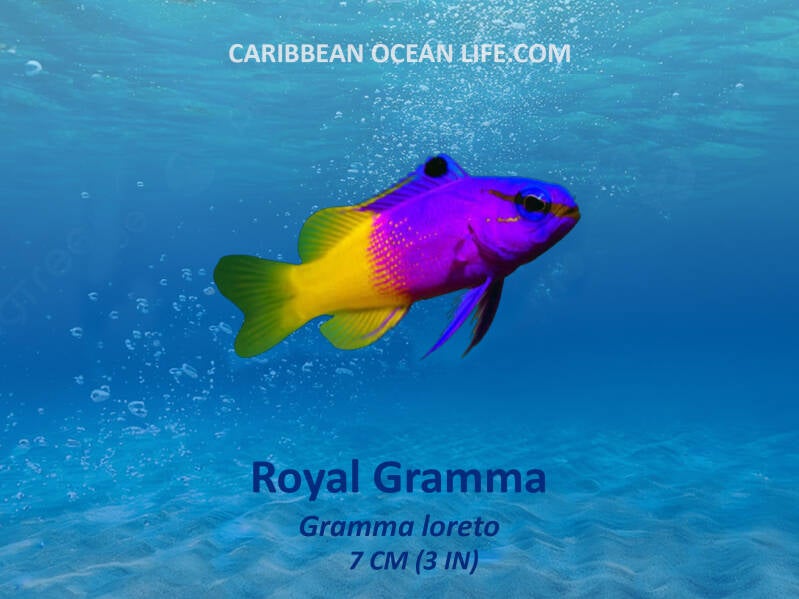


What Makes them Special?
They also rarely venture far from shelter.
When threatened, they quickly disappear into a favourite crack or crevice, only to cautiously emerge again moments later.

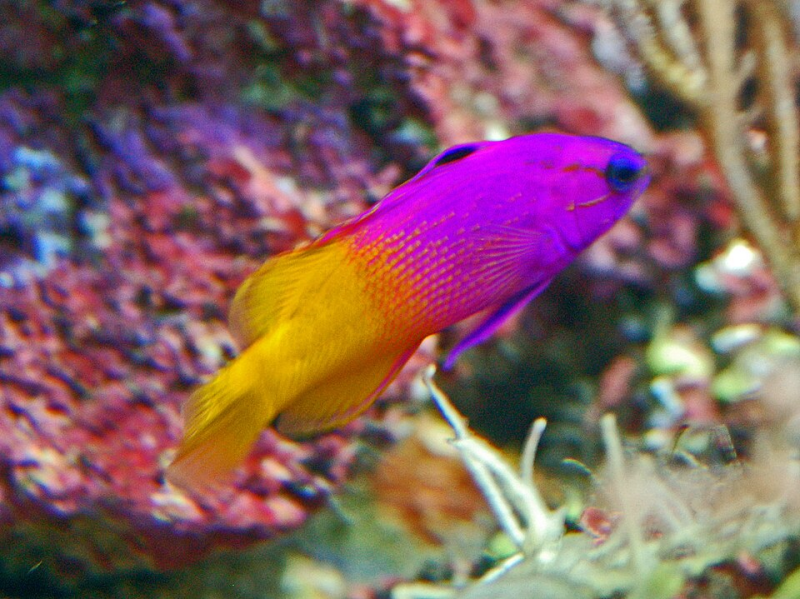

Tiny Fish, Brilliant Colours
Basslets may be tiny, but their brilliant colours make them stand out on the reef. The Royal Gramma, for example, has a spectacular transition from deep purple to bright yellow, all packed into a fish only a few centimetres long.
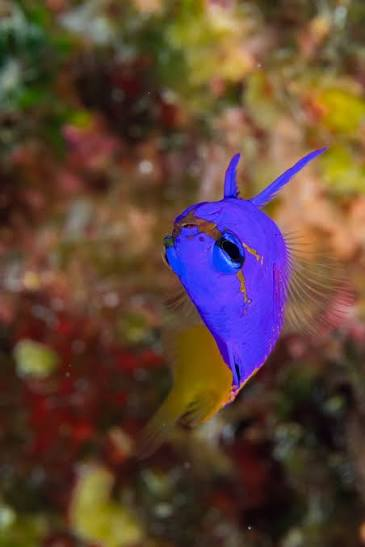
Why Do They Swim Upside Down?
One of their most curious habits is their sense of up and down. Basslets often swim beneath ledges and inside caves with their belly facing the rock, which means you may see them swimming completely upside down. To the fish, however, everything is perfectly normal!