

GROUPERS

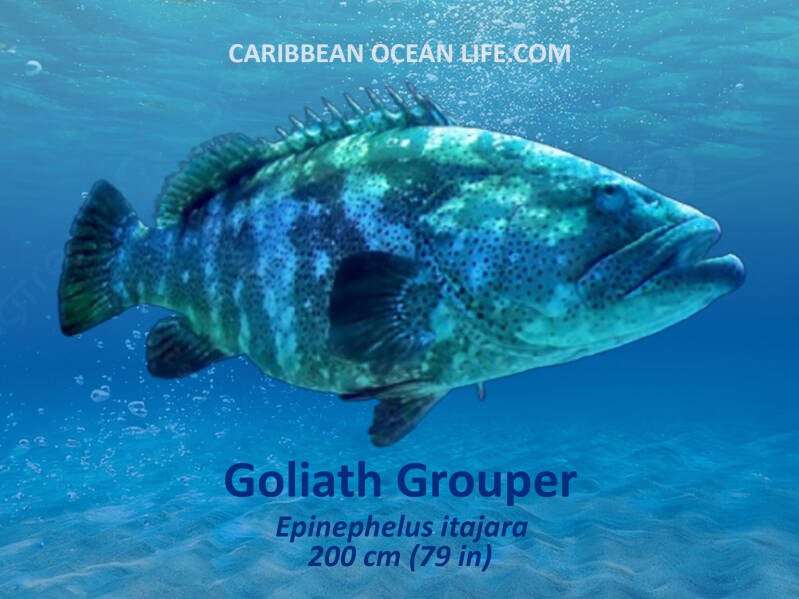
Goliath grouper-photo: Albert Kok, CC BY-SA 4.0
Groupers at a Glance
👀 How common: Common to uncommon — smaller groupers such as Coney and Graysby are regularly seen around Curaçao, Bonaire & Aruba, while some of the larger species are much less frequently encountered
🔬 Scientific family: Serranidae
📏 Size: From about 15 cm (6 in) in smaller individuals to more than 250 cm (98 in) in the enormous Goliath Grouper
🌊 Habitat: Coral and rocky reefs, reef slopes, caves, ledges and other areas with plenty of shelter
⬇️ Depth: From very shallow reefs to more than 100 m (330 ft), depending on the species
🐟 Diet: Mainly fish, crabs, shrimp, lobsters and other reef animals
🌎 Distribution: Tropical and subtropical seas worldwide; many species occur throughout the Caribbean
🐠 Behaviour: Usually solitary and territorial; many spend much of their time close to a favourite hiding place
🥚 Reproduction: Most release eggs and sperm into open water; some species gather in large spawning aggregations
⚥ Sex: Many grouper species are protogynous hermaphrodites, beginning adult life as females and later changing into males
👄 Special feature: A very large mouth that opens rapidly, creating powerful suction to pull prey inside
🥷 Hunting: Primarily ambush predators, often waiting near rocks or coral before making a sudden attack
🎨 Colour: Many groupers can rapidly change their colour, markings or intensity depending on mood, surroundings or behaviour
🐣 Juveniles: Often live in shallower or more sheltered habitats and may have different markings from adults
♻️ Ecological role: Important reef predators that help regulate populations of fish and invertebrates
🏝️ Curaçao, Bonaire & Aruba: Species include the Coney, Graysby, Red Hind, Rock Hind, Nassau Grouper, Tiger Grouper, Yellowfin Grouper, Black Grouper, Yellowmouth Grouper and the much rarer Goliath Grouper.
Medium size Groupers
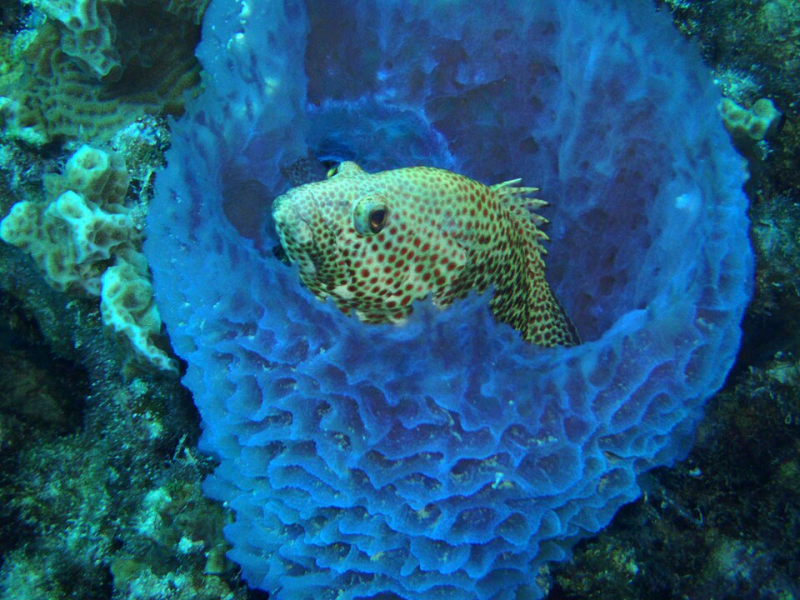
Rock hind in a sponge in about 20 feet of water. Netherlands Antilles, Bonaire.
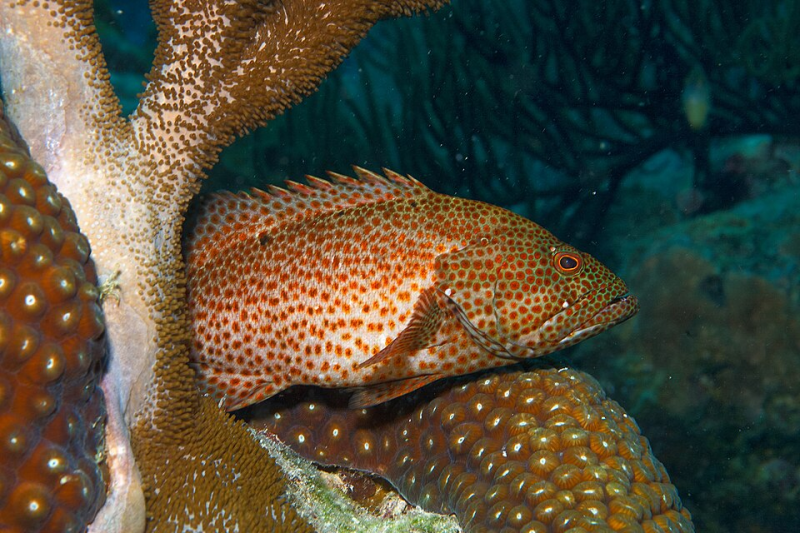
Photo: LASZLO ILYES
A Graysby rests on hard coral at Andrea II Reef, waiting for its next meal. Shot in Bonaire
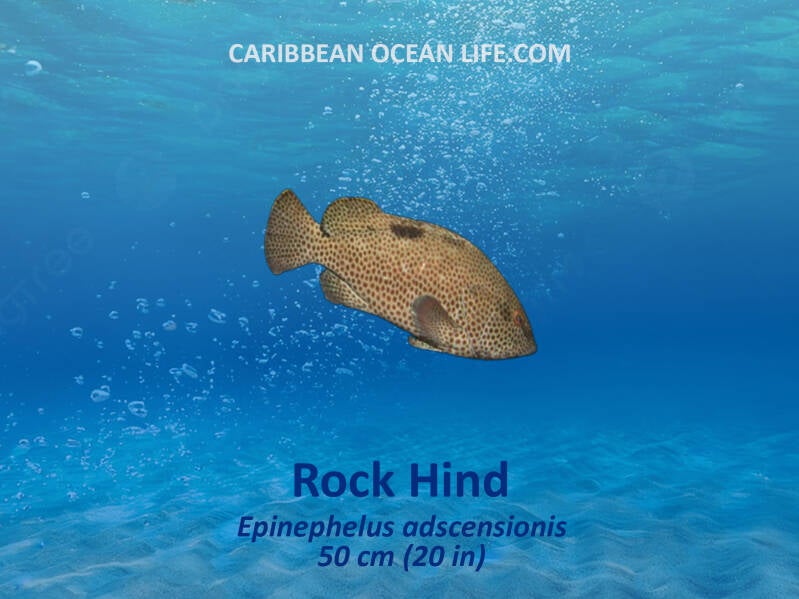
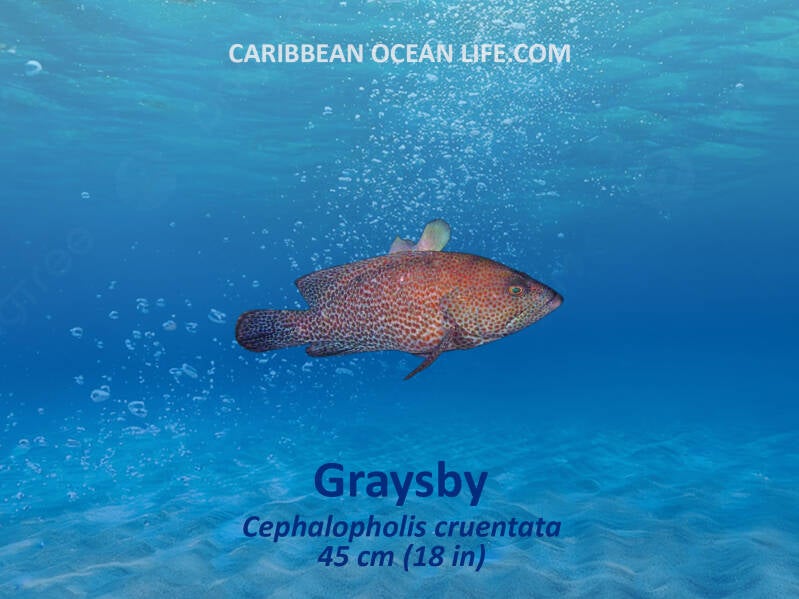
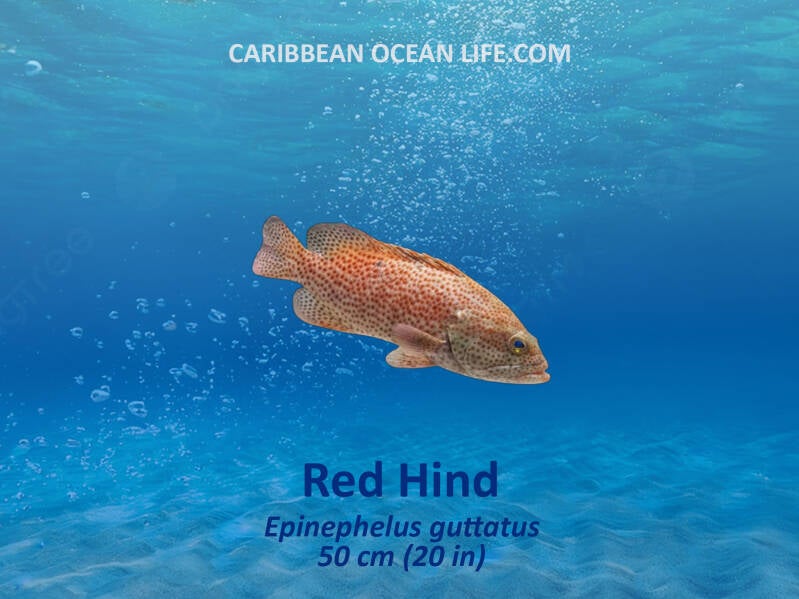
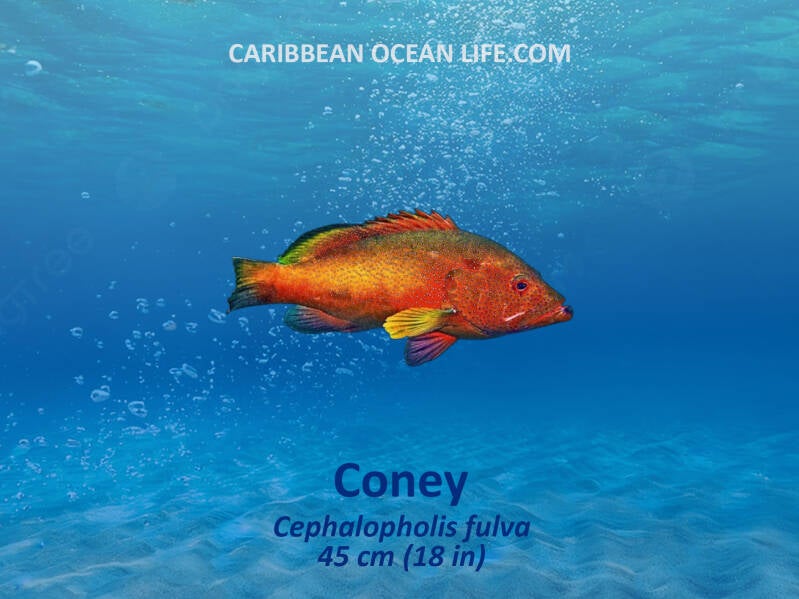
Large Groupers

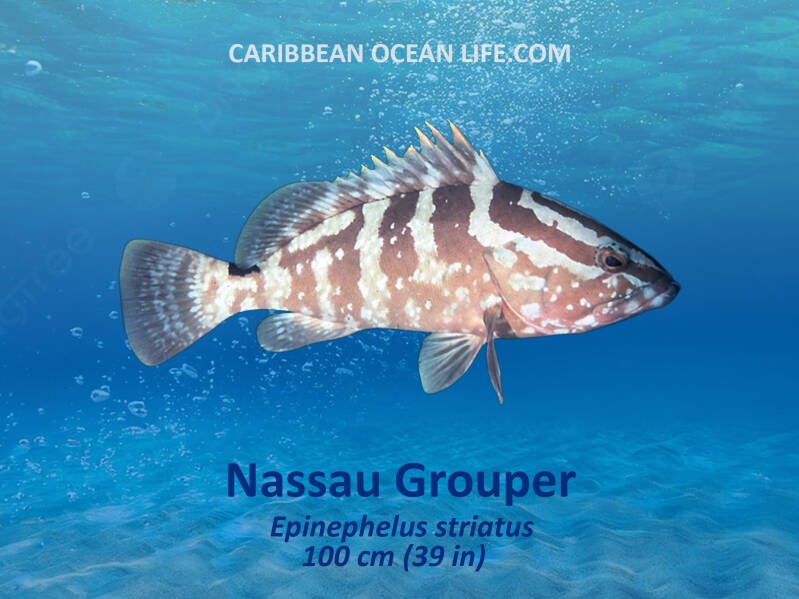
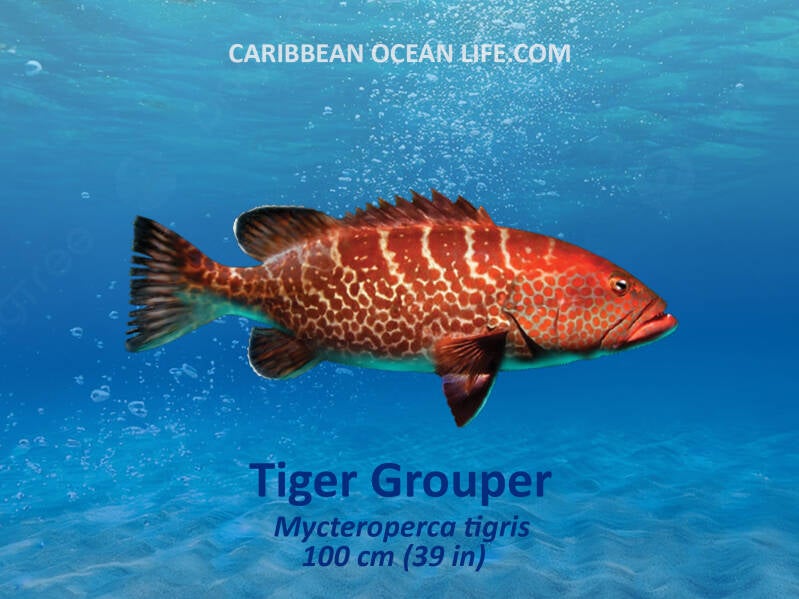
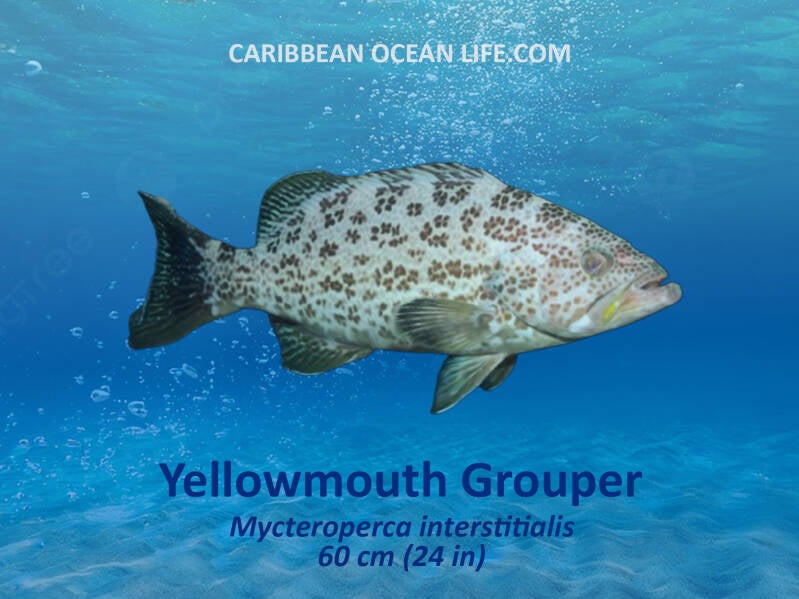
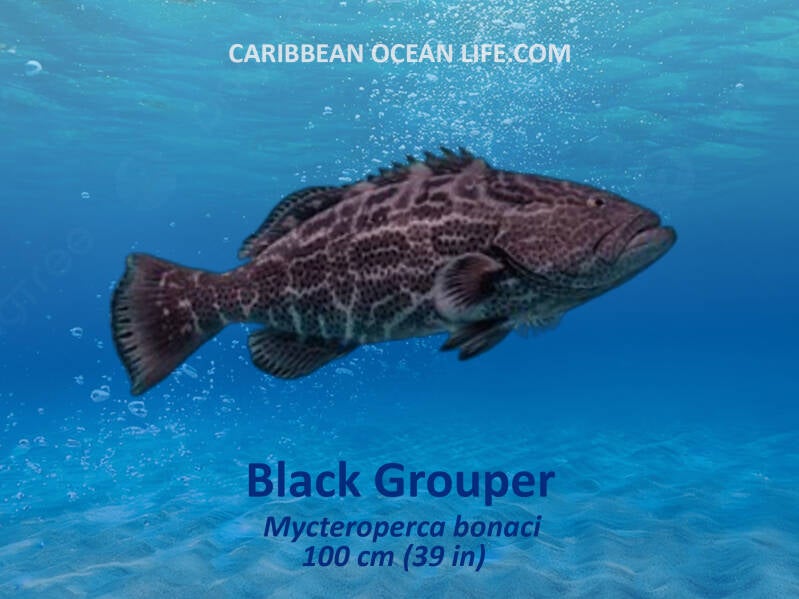
Huge Grouper
What Makes them Special?
The Art of the Ambush
Groupers are powerful predators, but they are not built for long chases. Instead, they wait patiently and strike suddenly, opening their enormous mouth so quickly that the resulting suction pulls prey inside. Surprisingly, groupers don't have many large cutting teeth, swallowing prey whole is usually the preferred method.
Changing Their Look in Seconds
Many groupers can change colour and pattern, sometimes within seconds. They use these changes for camouflage, communication, courtship or to show aggression.
Female Today, Male Tomorrow
Another remarkable feature is that many grouper species can change sex. They may begin adult life as females, with some later becoming males as they grow larger.

Cooperating with moray eels
They are surprisingly clever hunters. Some have even been observed cooperating with moray eels: the grouper hunts in open water while the moray searches through narrow reef crevices, leaving prey with very few places to escape.