

JACKS & RELATIVES

Jacks & Relatives at a Glance
👀 How common: Common to fairly common, especially Bar Jacks and other schooling species around reefs and in open water
🔬 Scientific family: Carangidae
📏 Size: About 20–190 cm (8–75 in), depending on the species
🌊 Habitat: Coral and rocky reefs, sandy coastal areas, drop-offs and open water
⬇️ Depth: From shallow coastal waters to more than 100 m (330 ft), depending on the species
🐟 Diet: Mainly small fish, shrimp, crabs and other marine animals
🌎 Distribution: Tropical and subtropical seas worldwide
💨 Behaviour: Fast, powerful swimmers, often seen cruising alone or hunting in schools
🥚 Reproduction: Most are broadcast spawners, releasing eggs and sperm into open water
⚡ Special feature: Streamlined bodies and powerful tails make them exceptionally fast and agile hunters
🎨 Colour: Mostly silver, blue-grey or yellow, often with distinctive stripes, spots or coloured fins
🐣 Juveniles: Often use shallow coastal waters, seagrass beds or sheltered areas as nursery habitat
♻️ Ecological role: Important predators of smaller fish and crustaceans in reef and open-water food webs
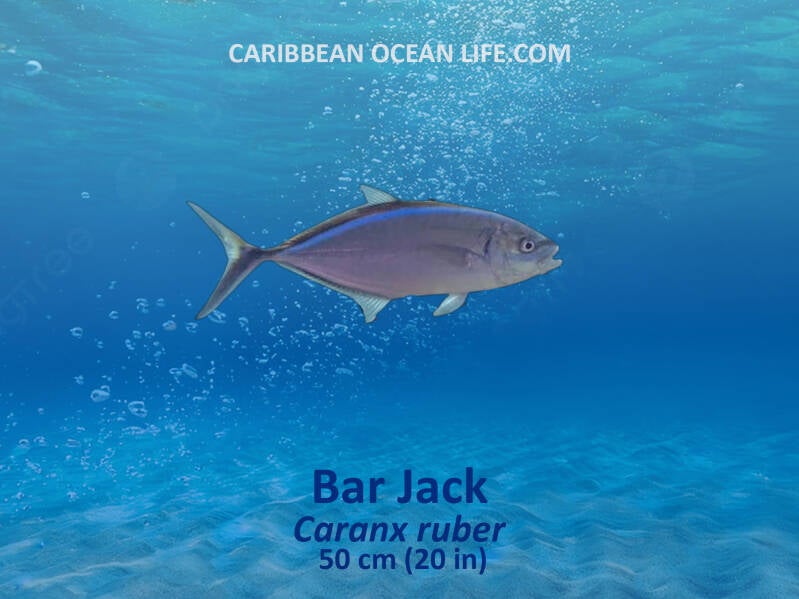
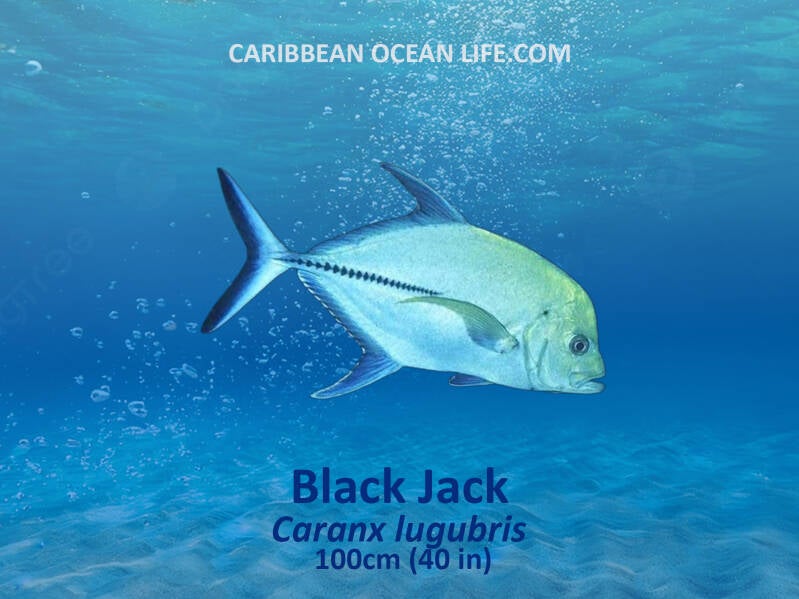
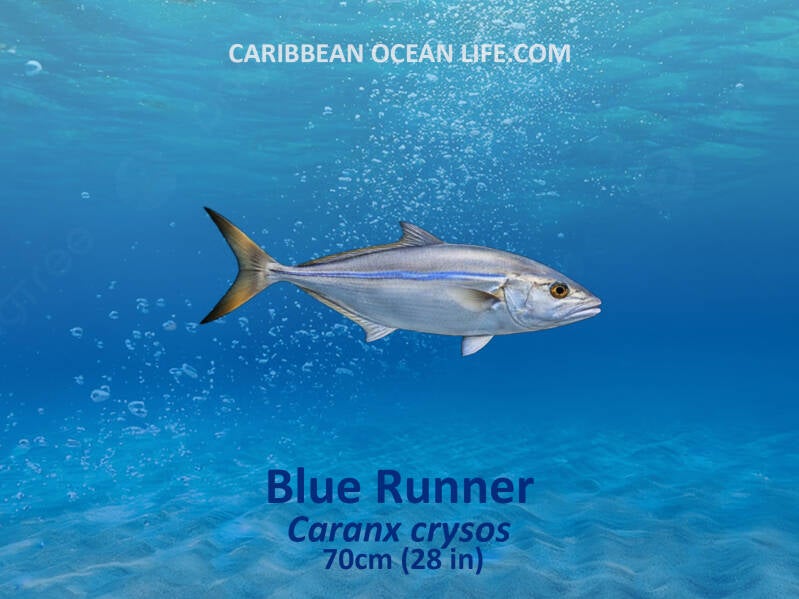
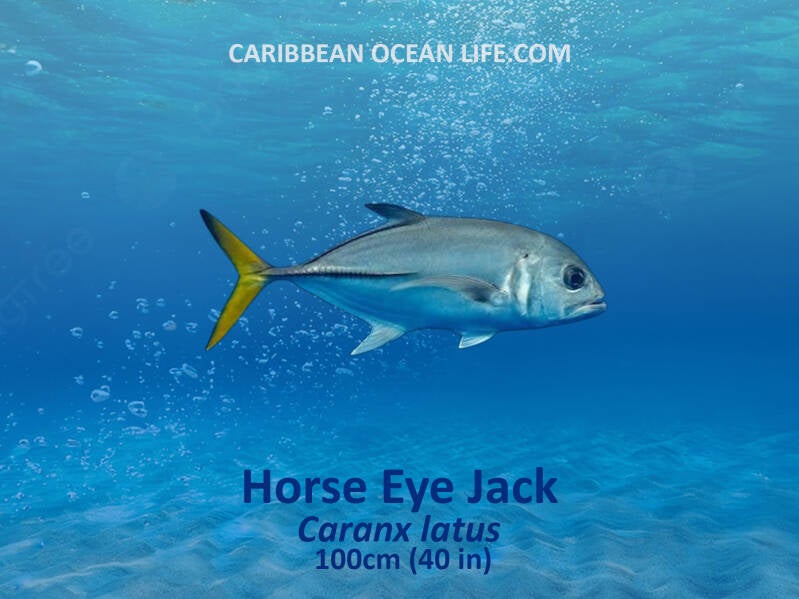
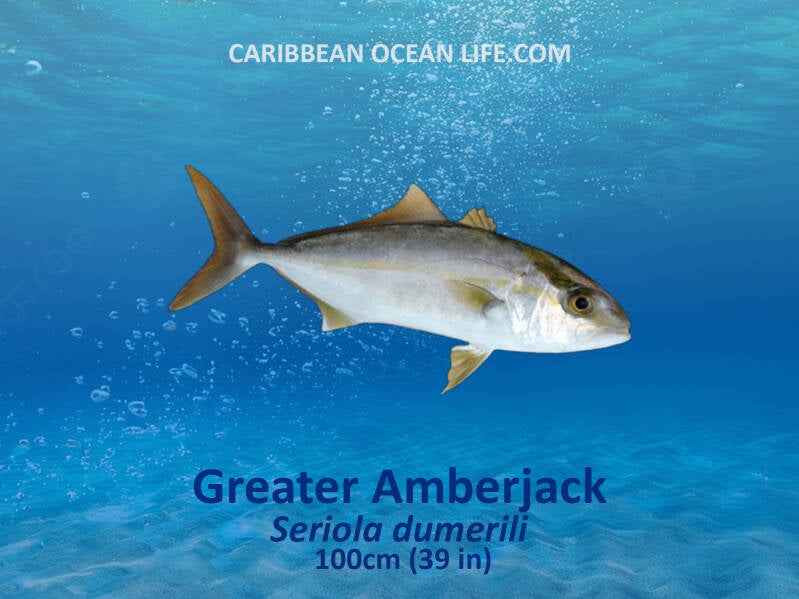
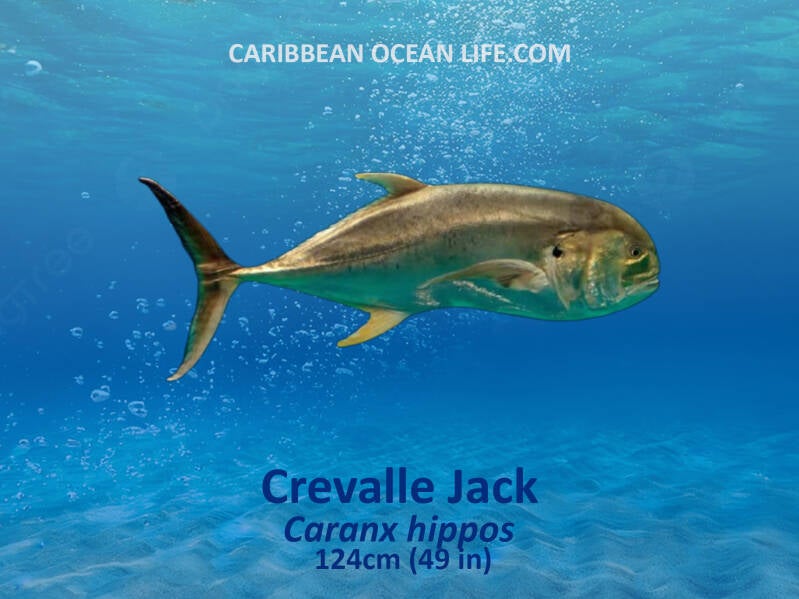
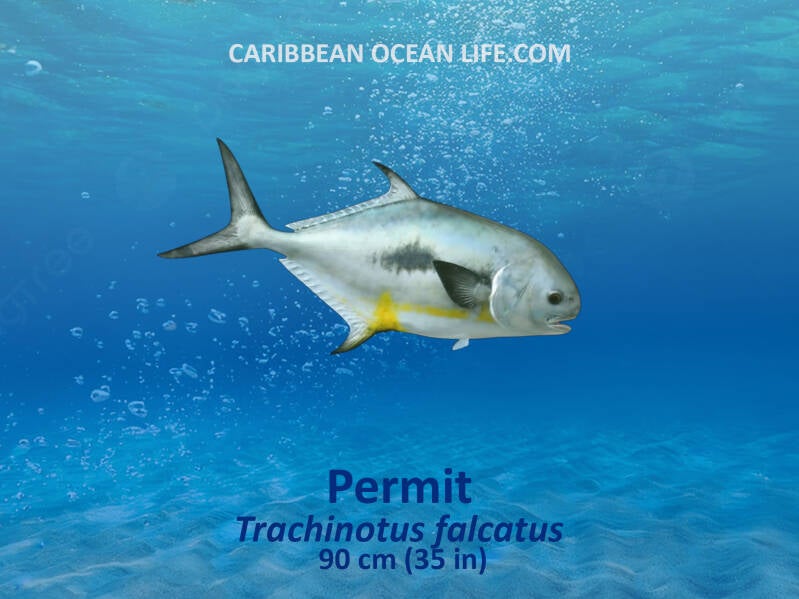
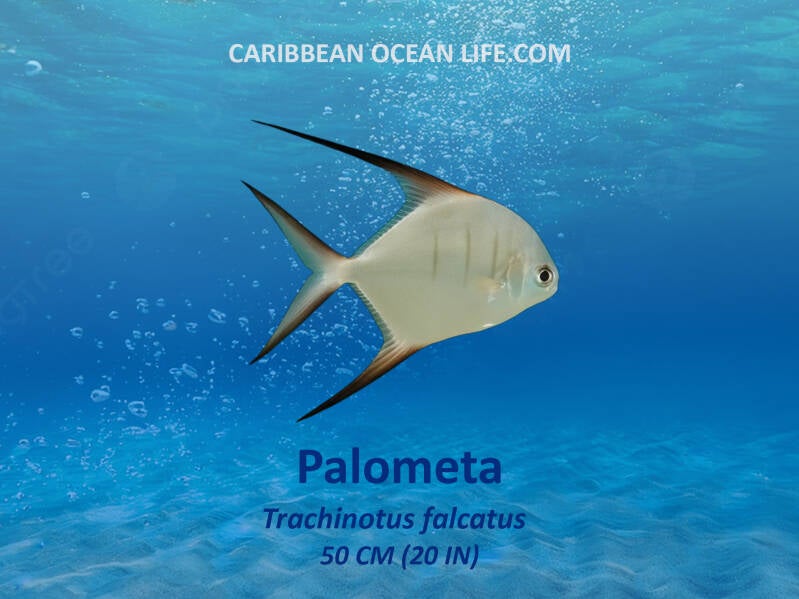
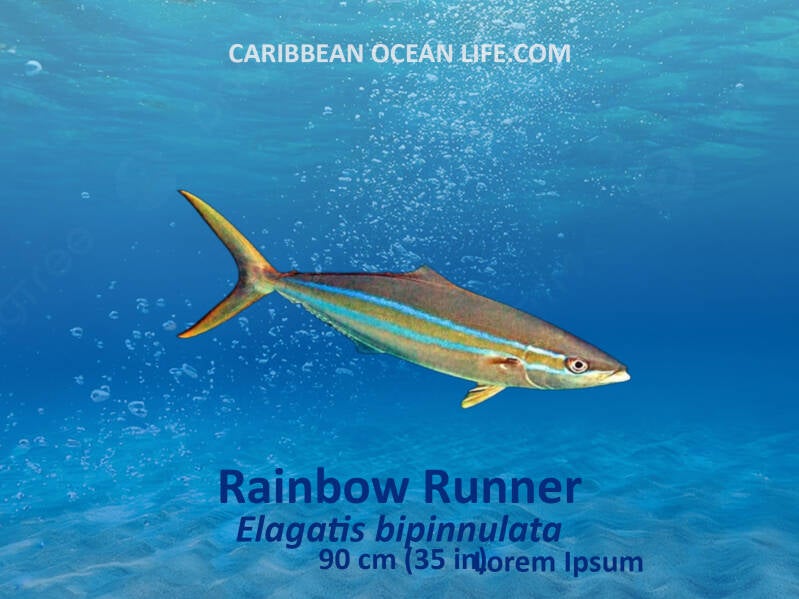
🏝️ Curaçao, Bonaire & Aruba: Common and characteristic species include Bar Jack, Horse-eye Jack, Yellow Jack, Crevalle Jack, Black Jack, Blue Runner, Greater Amberjack, Rainbow Runner, Lookdown, Palometa and Permit.
JACKS
POMPANOS
OTHER RELATIVES
What Makes them Special?
Built for Speed
Jacks are built for speed. Their streamlined bodies, narrow tail base and powerful forked tails allow them to accelerate quickly when chasing prey. Some species hunt together, surrounding schools of smaller fish before rushing in to attack.
Now You See Me...
Their shiny silver colour is more useful than it looks. It reflects the surrounding water and light, helping to make their body outline less obvious in open water.
Almost Invisible Head-On
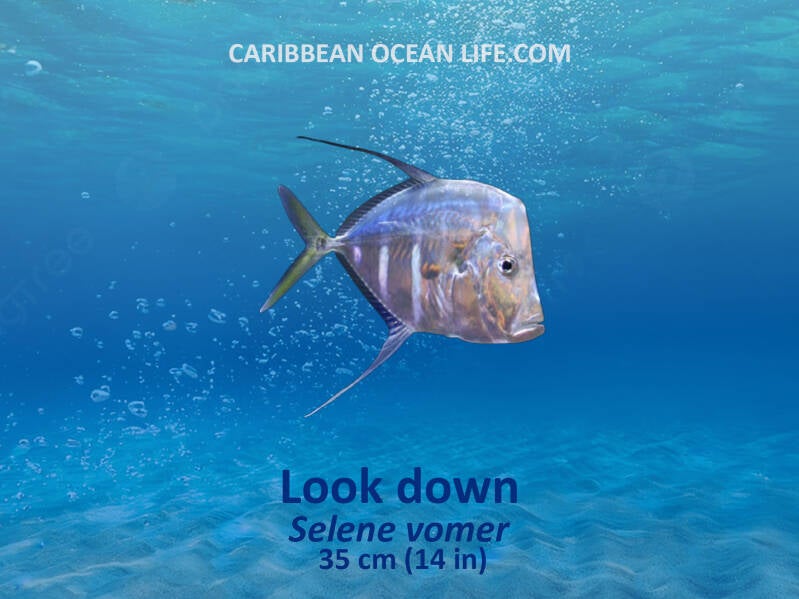
And then there are the unusual relatives. The paper-thin Lookdown can appear almost invisible when viewed head-on, while the Palometa has long, flowing fins that make it look far more elegant than its fast-swimming relatives.

Many jacks are highly social. Horse-eye Jacks and Bar Jacks can form impressive schools, sometimes moving across the reef like one large silver body. Others, such as the Greater Amberjack, are more often seen cruising alone or in smaller groups.