

ANGELFISH

Angelfishes at a Glance
👀 How common: Common to fairly common
🔬 Scientific family: Pomacanthidae
📏 Size: Approximately 10–60 cm (4–24 in), depending on the species
🌊 Habitat: Coral reefs, rocky reefs and reef slopes, often near sponges and corals
⬇️ Depth: From shallow reefs to more than 100 m (330 ft), depending on the species
🍽️ Diet: Mainly sponges, algae and tunicates, as well as small invertebrates and other reef organisms
🌎 Distribution: Tropical waters of the Atlantic, Indian and Pacific Oceans
🐠 Behaviour: Usually solitary, in pairs or small groups; many species are territorial
🥚 Reproduction: Most are broadcast spawners, releasing eggs and sperm into the water column
🗡️ Special feature: A sharp spine on the lower edge of the gill cover distinguishes angelfishes from similar-looking butterflyfishes
🎨 Colour: Often brilliantly coloured, with patterns that can change dramatically as they mature
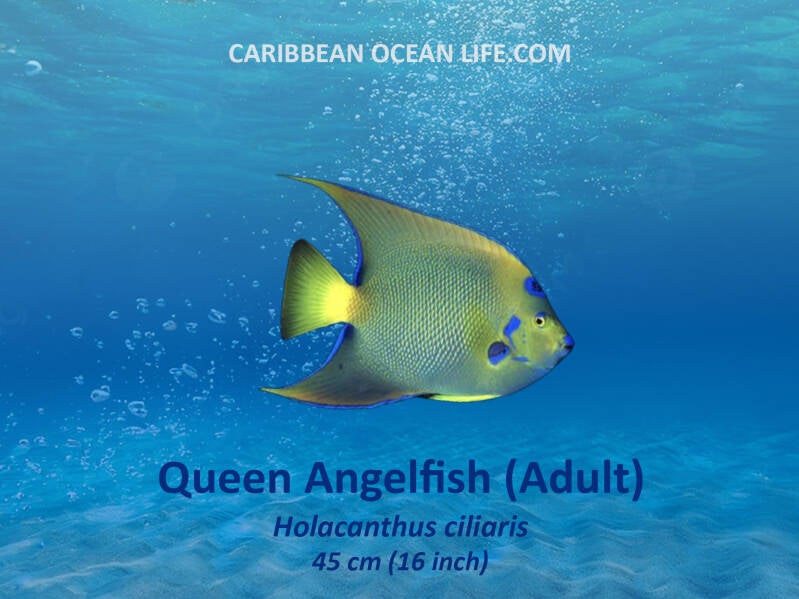
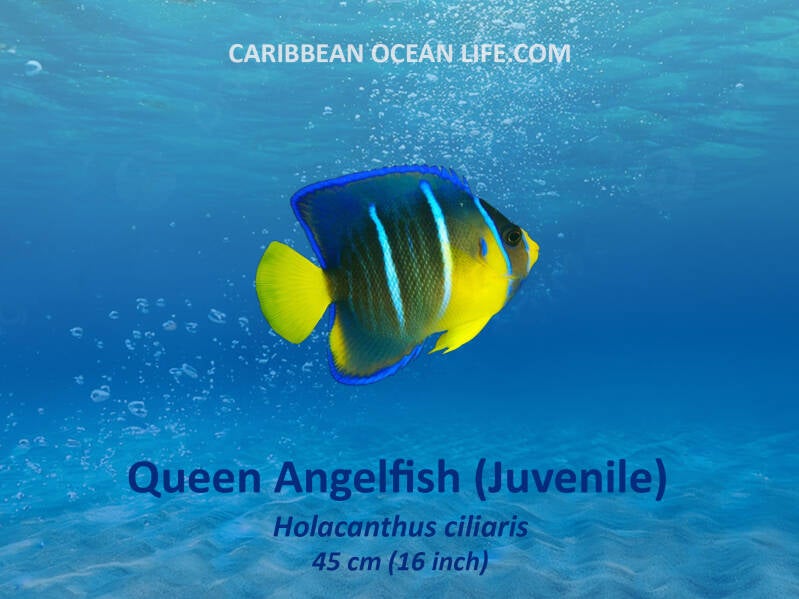
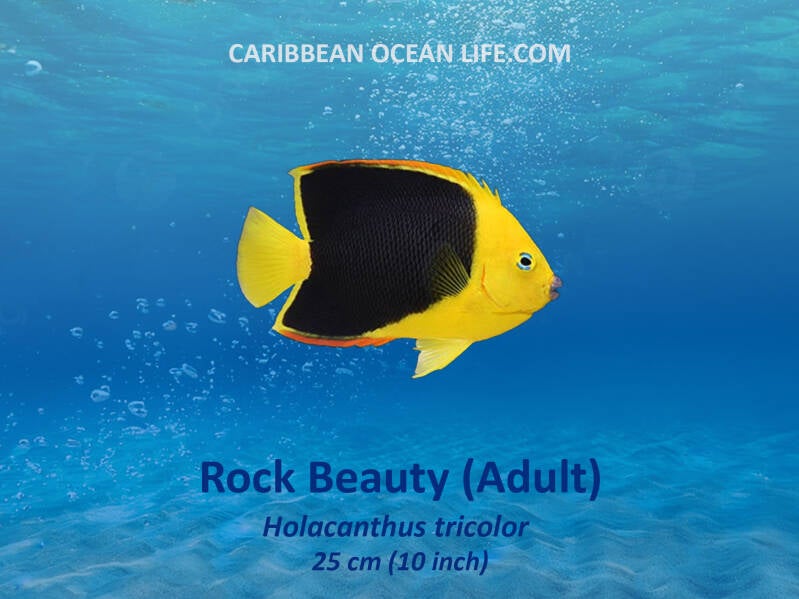
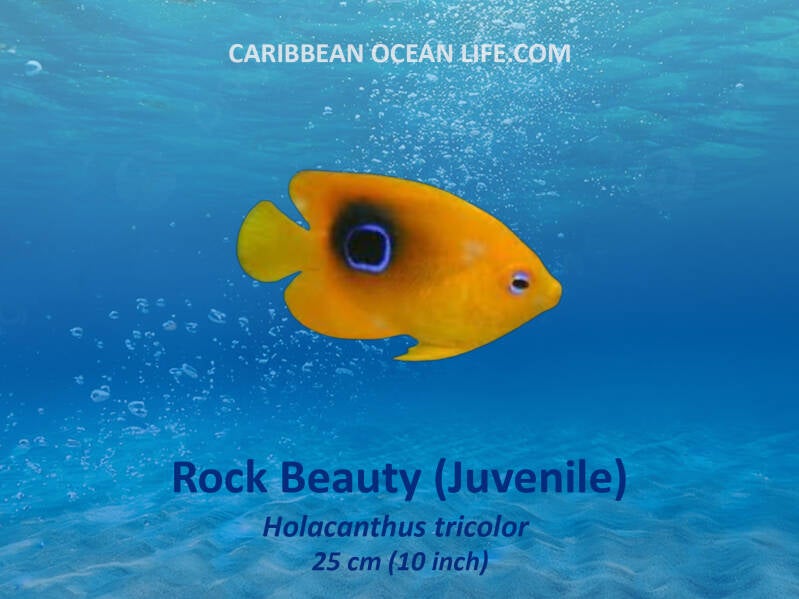
🐣 Juveniles: Juveniles of several species look very different from the adults
♻️ Ecological role: Important reef feeders, particularly on sponges, helping shape the reef community
🏝️ Curaçao, Bonaire & Aruba: Species include the Queen Angelfish, French Angelfish, Gray Angelfish and Rock Beauty


What makes them special?


Subadult. The yellow bands have turned white and will soon disappear completely
Adult grey angelfish
Same Fish, Completely Different Look
This is one of the most fascinating things about angelfishes. Juveniles often have a completely different colour pattern from adults. A young angelfish can be so different that it is easy to mistake it for another species.
As the fish grows, its juvenile markings gradually disappear and the adult colours and patterns develop. This makes angelfishes particularly interesting to watch at different stages of their lives.
This Is My Reef!
Many angelfishes are surprisingly territorial. Adults often have a particular area of reef that they defend against other fish, especially members of their own species.
They are often seen alone or in pairs, although smaller juveniles may be found in different parts of the reef.
Born Female, Becoming Male
And here is a fascinating fact: in some angelfish species, individuals can change sex from female to male. In species where this occurs, social structure can influence which fish becomes the dominant male.

French angelfish - Photo: cralize
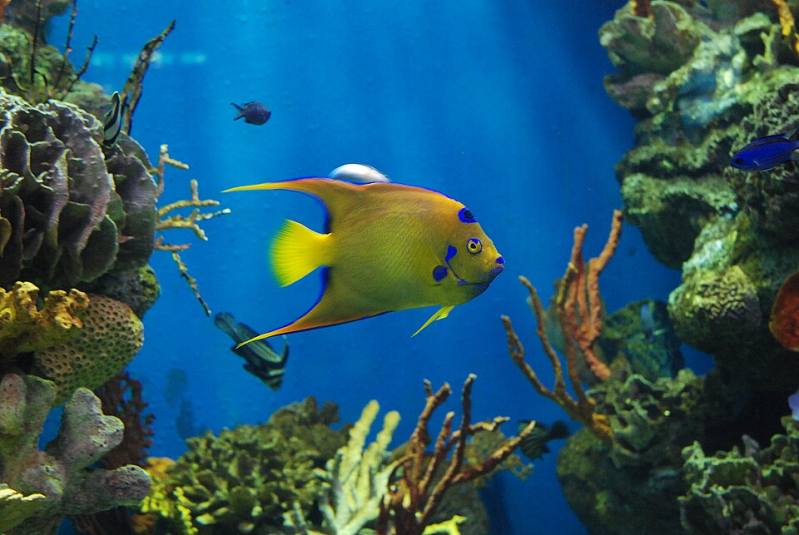
Queen Angelfish - Photo: Paul Hermans
Angelfishes are among the most beautiful and recognisable fish on a Caribbean reef. Their bright colours, elegant shapes and often striking patterns make them easy to spot among the corals.