

WRASSES

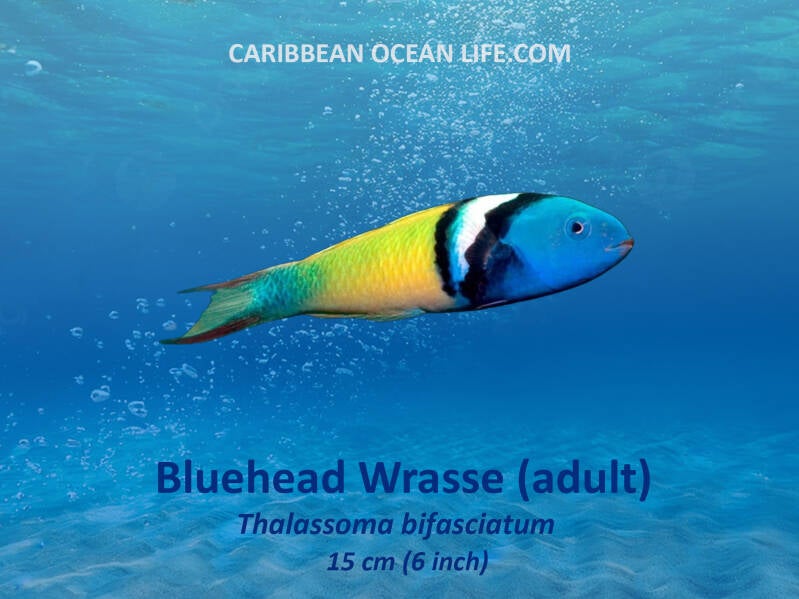
Bluehead Wrasse
Wrasses at a Glance
👀 How common: Very common — wrasses are among the most frequently seen reef fish around Curaçao, Bonaire & Aruba, although individual species vary from common to uncommon
🔬 Scientific family: Labridae
📏 Size: Most Caribbean species are about 5–60 cm (2–24 in), depending on the species
🌊 Habitat: Coral reefs, rocky reefs, seagrass beds and sandy areas
⬇️ Depth: From very shallow water to deep reef slopes, depending on the species
🦀 Diet: Small crustaceans, molluscs, worms, sea urchins, small fish and other invertebrates; diet varies greatly by species
🌎 Distribution: Tropical and temperate oceans worldwide
🐠 Behaviour: Highly variable — solitary, territorial, in pairs or in groups; many are constantly active during the day
🥚 Reproduction: Most are broadcast spawners, releasing eggs and sperm into the water column
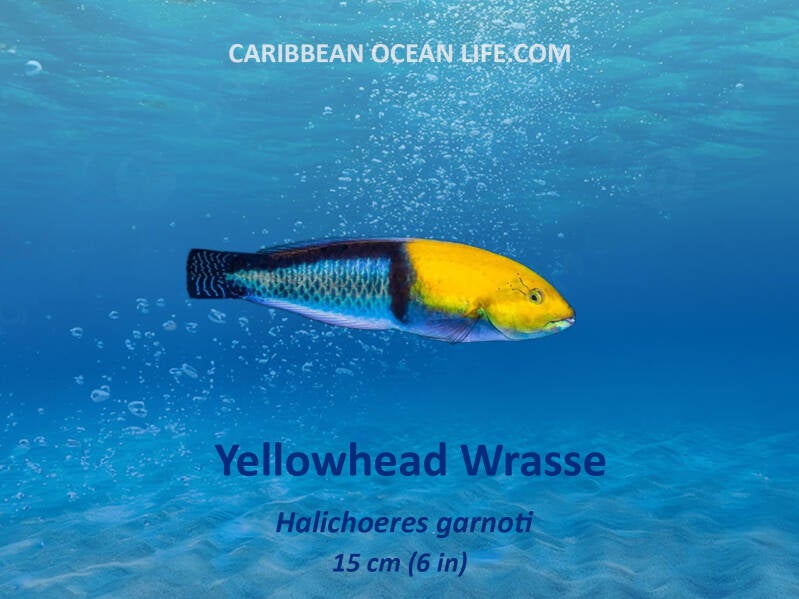
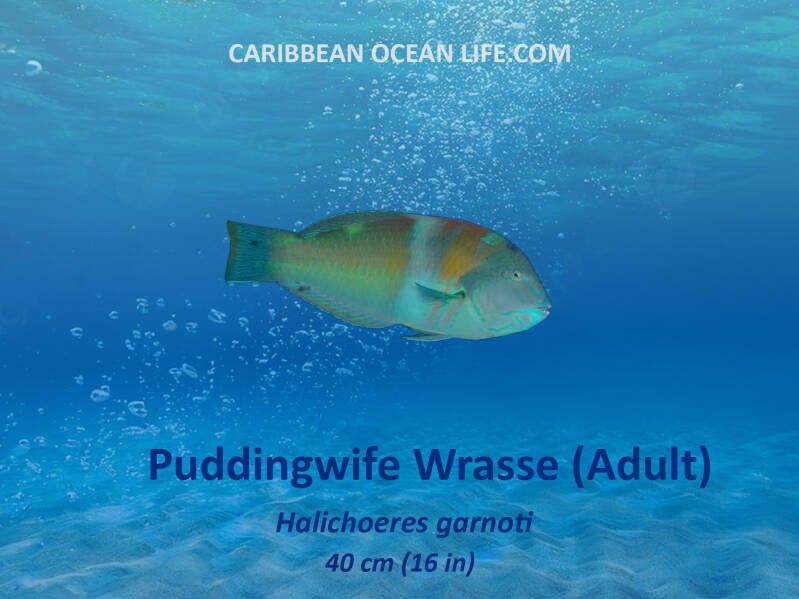
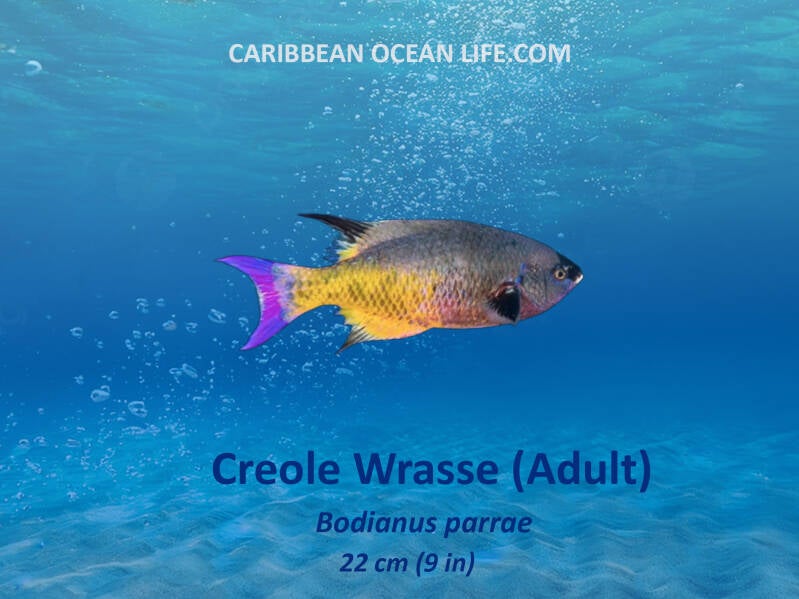
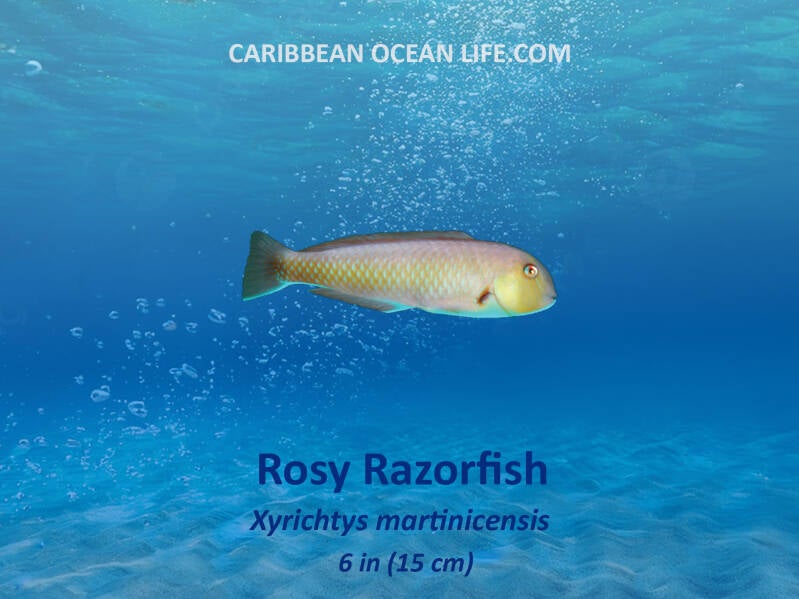
🎨 Colour: Often extremely colourful, with dramatic differences between juveniles, females and males
⚥ Sex change: Many species can change sex during their lifetime, commonly from female to male
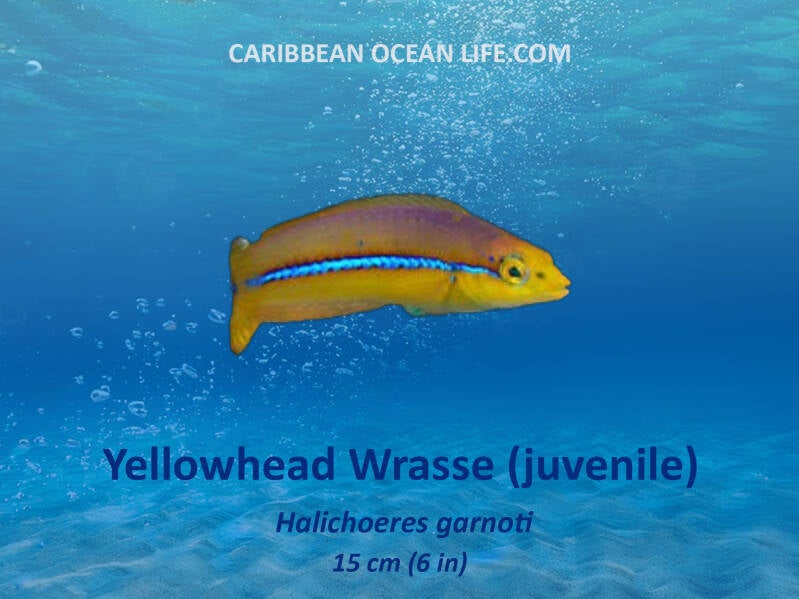
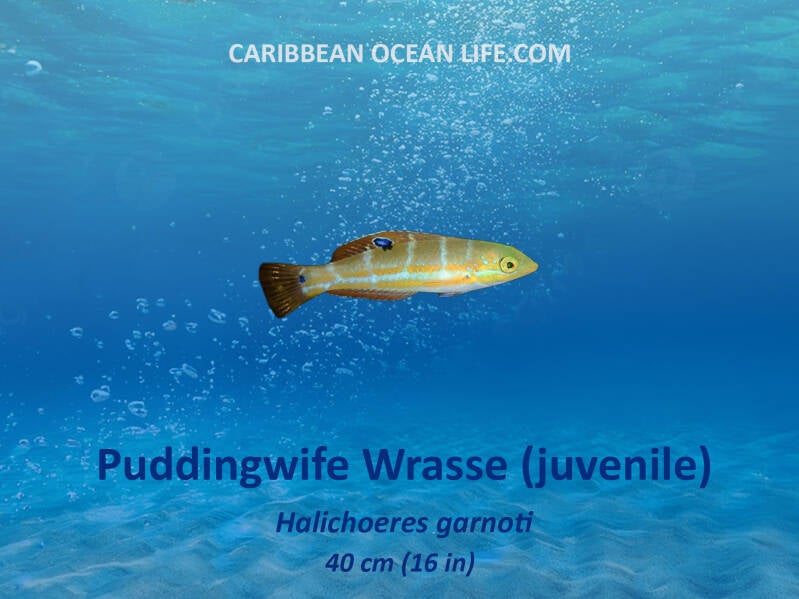
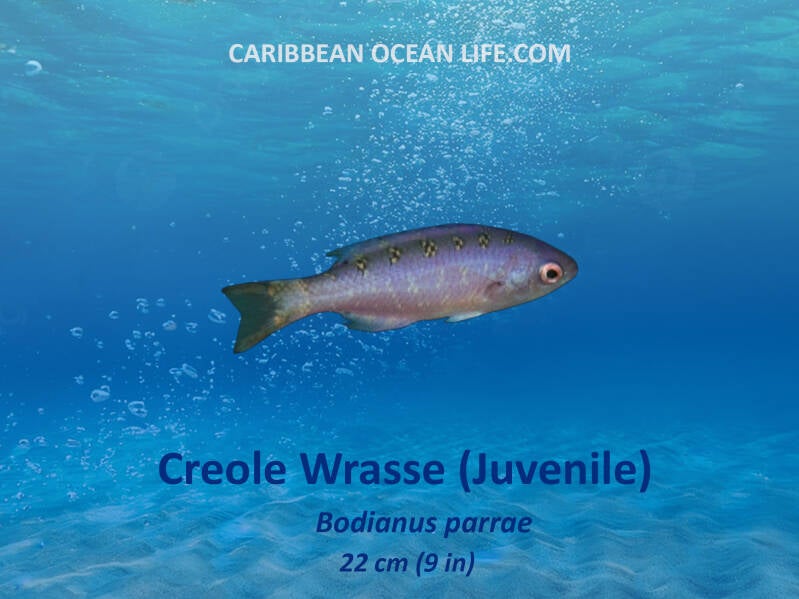
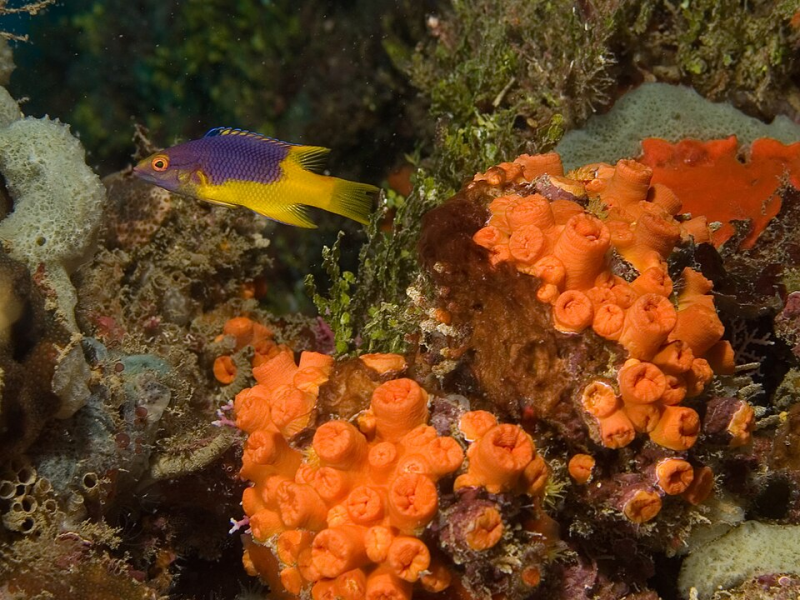
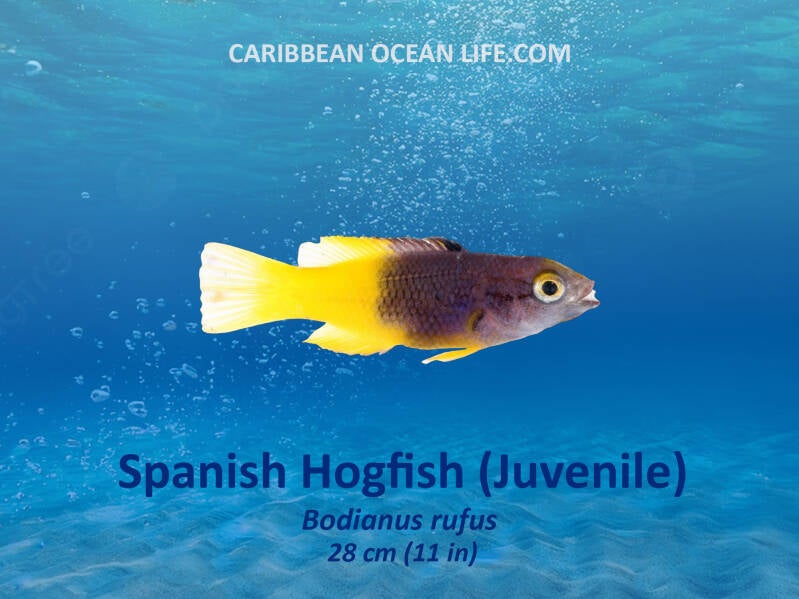
🐣 Juveniles: Often look strikingly different from adults and can easily be mistaken for another species
🧹 Special feature: Some wrasses act as cleaners, removing parasites and dead tissue from other fish
♻️ Ecological role: Important predators, grazers and cleaners that perform a variety of roles within the reef ecosystem
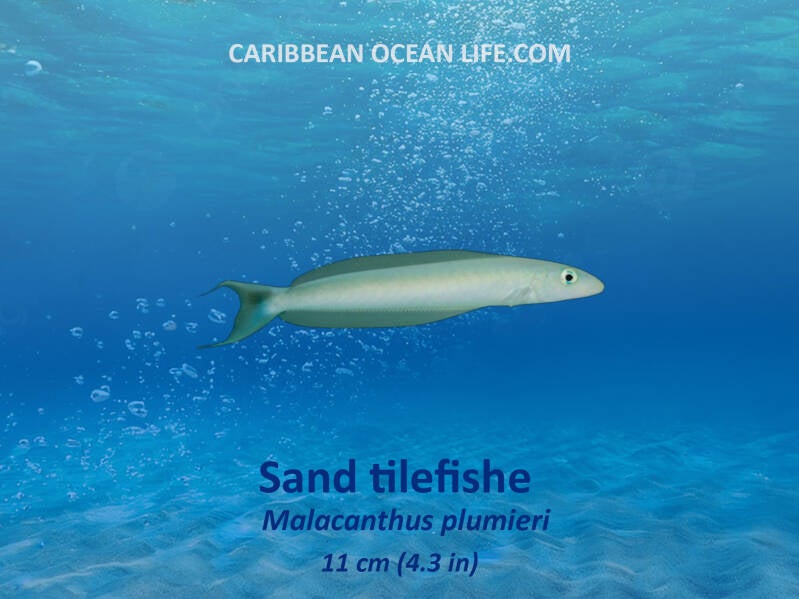
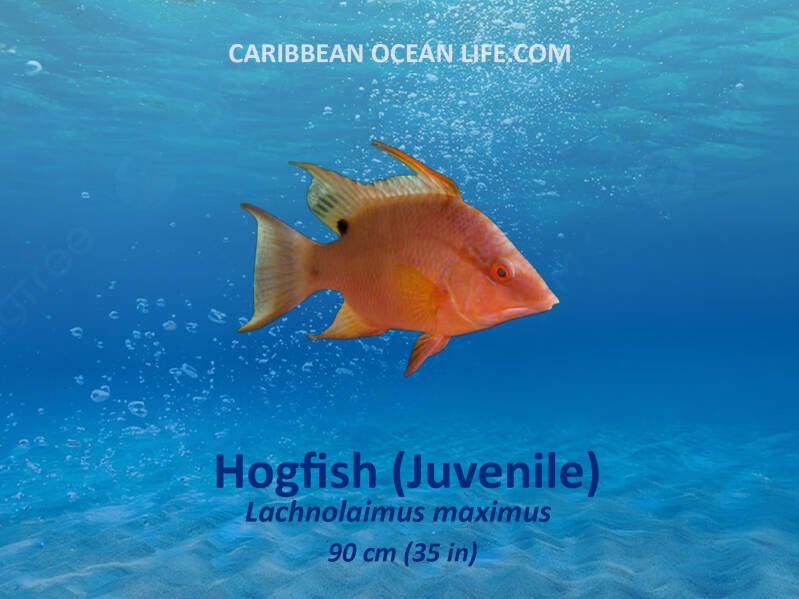
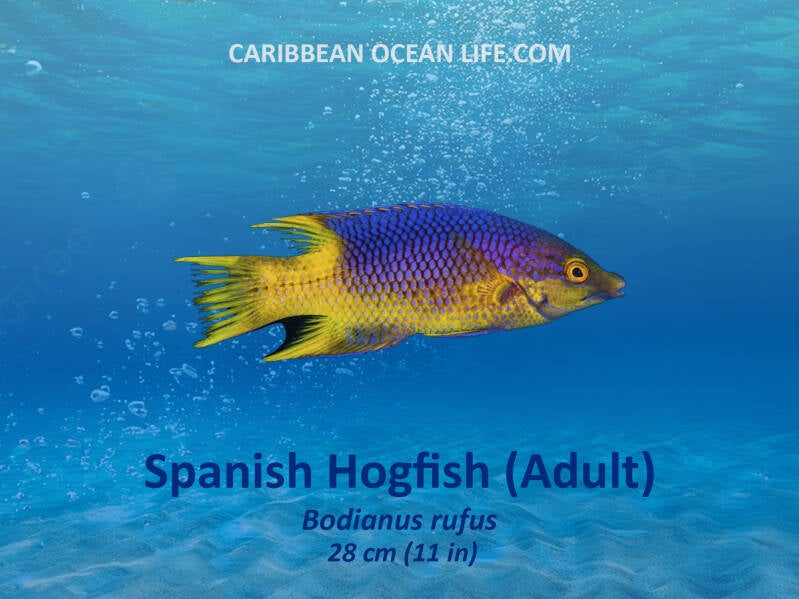
🏝️ Curaçao, Bonaire & Aruba: Common species include the Bluehead Wrasse, Yellowhead Wrasse, Creole Wrasse, Puddingwife, Hogfish and Spanish Hogfish.

HOGFISH

What makes them special?
Wrasses are one of the most diverse and fascinating groups of reef fish. They come in an astonishing variety of shapes, sizes and colours, and many species change dramatically as they grow. A fish that looks one way today may look completely different a few years later.
A fish that can change sex
One of the most remarkable things about some wrasses is their ability to change sex during their lifetime. In several species, individuals begin life as females. If the dominant male disappears, the largest female can transform into a male and take over the role. And the change isn't just behavioural , the fish can also develop the colours and appearance of an adult male.
Some wrasses sleep in the sand
Several Caribbean wrasses have another clever trick. At night, they bury themselves in the sand to sleep and hide from predators. Others retreat into cracks in the reef.
Some species can even change colour when they settle down for the night, making them much harder to spot.

Not all wrasses are tiny
While many Caribbean wrasses are small and colourful, the family also contains some impressive predators. Hogfish, for example, can grow much larger and use their powerful jaws to crush or uncover crustaceans and other prey.

The reef's cleaning service.
Some small wrasses have an unusual job. Cleaner wrasses set up cleaning stations where larger fish come to have parasites and dead skin removed. The client may hover almost motionless while the tiny cleaner works around its body, even inside the mouth and around the gills. Remarkably, the larger fish usually leaves the cleaner unharmed.