

GOBIES

Gobies at a Glance
👀 How common: Very common on Caribbean reefs, although their small size and often secretive behavior make them easy to overlook
🔬 Family: Mainly Gobiidae, one of the largest families of fishes in the world
📏 Size: Most Caribbean reef gobies are tiny, often only 2–8 cm (0.8–3.1 in) long
🎨 Appearance: Extremely varied, from almost transparent or sandy colored species to gobies with brilliant blue or yellow stripes
🪸 Habitat: Coral reefs, rocky areas, sand, rubble, seagrass beds, sponges and reef crevices
🍴 Diet: Small crustaceans, plankton, algae and other tiny organisms, depending on the species
⬇️ Bottom life: Many gobies spend most of their time resting or hopping across the bottom rather than swimming continuously
🧹 Cleaner gobies: Some species operate cleaning stations, where they remove parasites and dead skin from much larger fish
🐟 Social life: Depending on the species, gobies may live alone, in pairs or in small groups
🥚 Reproduction: Many species lay eggs in sheltered places, with the male often guarding and caring for them until they hatch
🫥 Defense: Their small size, camouflage and ability to disappear quickly into holes and crevices help protect them from predators
♻️ Ecological role: Gobies are small but important members of the reef community, acting as predators, prey and, in some species, cleaners
🏝️ Curaçao, Bonaire & Aruba: Many species occur around all three ABC islands, from shallow coastal habitats to deeper coral reefs
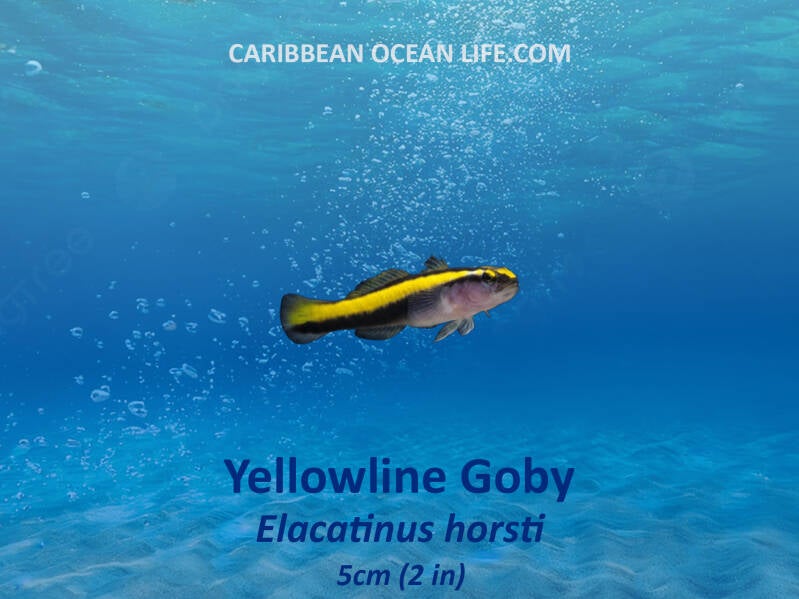

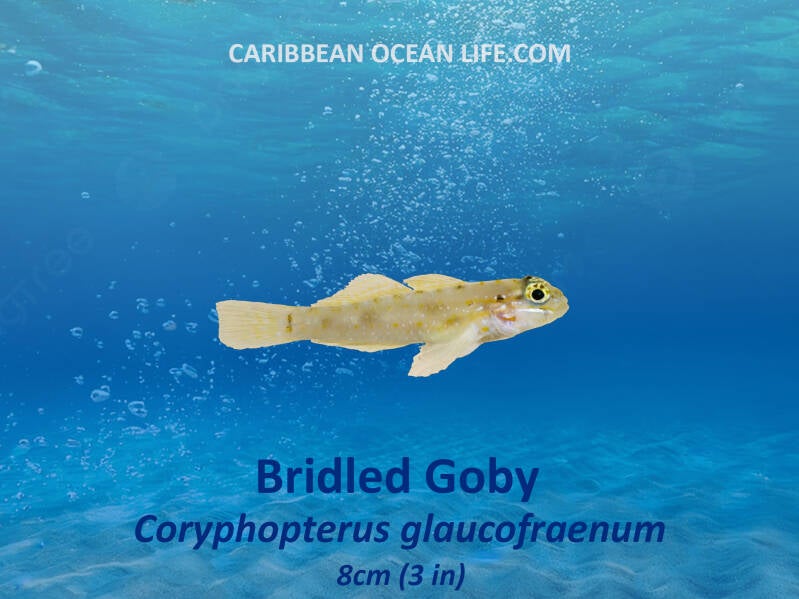
Yellowline Goby
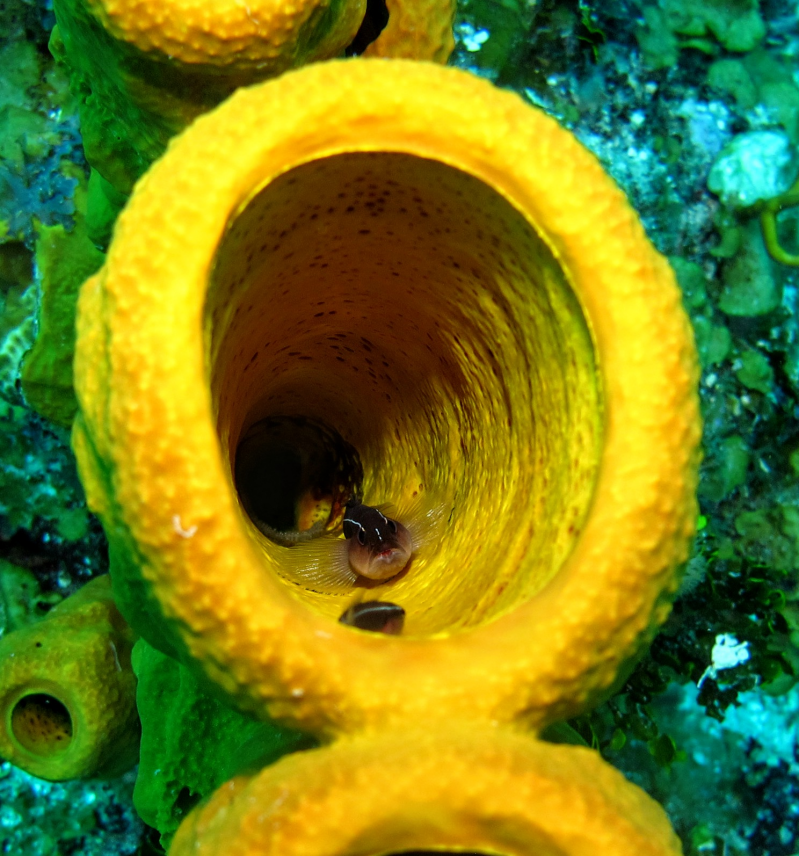
A breeding pair within a yellow tube sponge. The larger male (mid-ground) protects a clutch of eggs at the base of the tube sponge (background) while also courting an arriving female (foreground).
What Makes the Yellowline Goby Special?
Life on a Sponge
Yellowline Gobies are strongly associated with large reef sponges. They use them as a place to rest, hide and watch for potential clients. Their bright yellow stripe also helps advertise their cleaning services to passing fish.
Masked Goby
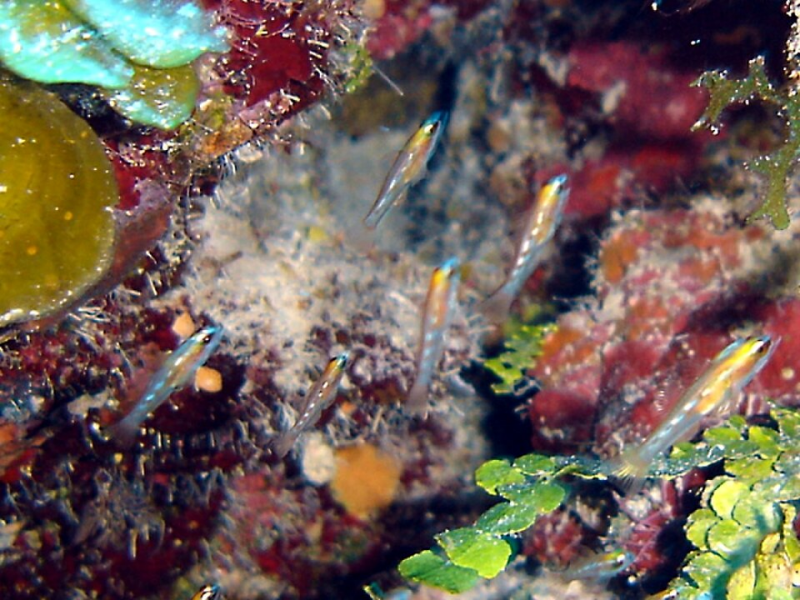
What Makes the Masked Goby Special?
A Goby That Hovers
Most gobies are strongly associated with the bottom, but the Masked Goby does things differently. It often forms groups that hover in the water beneath ledges, inside caves or near the reef. These tiny fish pick plankton from the water while staying close enough to shelter to disappear instantly when threatened.
Bridled Goby
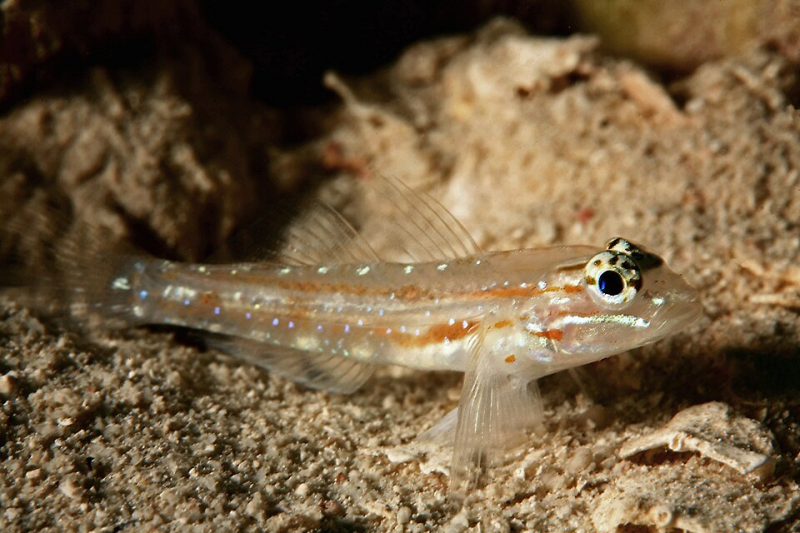
What Makes the Bridled Goby Special?
A Master of the Seafloor
Unlike the brightly colored cleaner gobies, the Bridled Goby relies on camouflage. It spends much of its time on sand, rubble and reef surfaces, where its subtle markings make it surprisingly difficult to spot until it suddenly darts away.
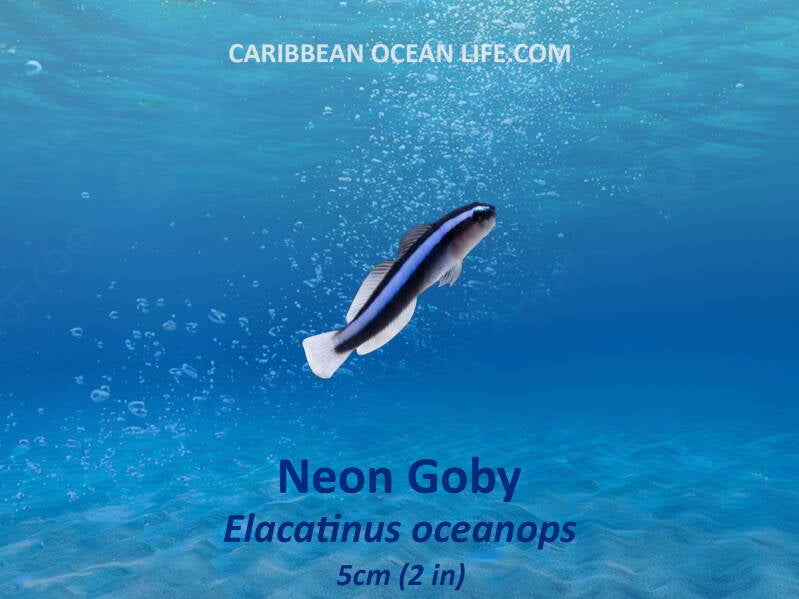
Neon Goby
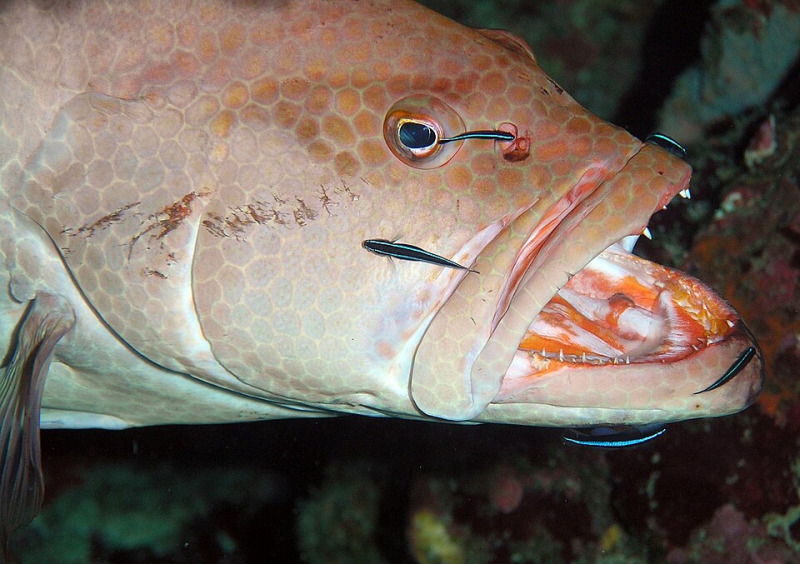
Cleaner neon gobies, genus Elacatinus, are seen feeding off the ectoparasites they clean off of larger fish clients in their mutualistic relationship
What Makes the Neon Goby Special?
A Tiny Cleaning Specialist
The Neon Goby is a dedicated cleaner fish. It sets up a cleaning station where much larger fish come to have parasites, dead skin and mucus removed. Even large predatory fish may allow this tiny goby to move over their bodies and around their mouths.
Rusty Goby
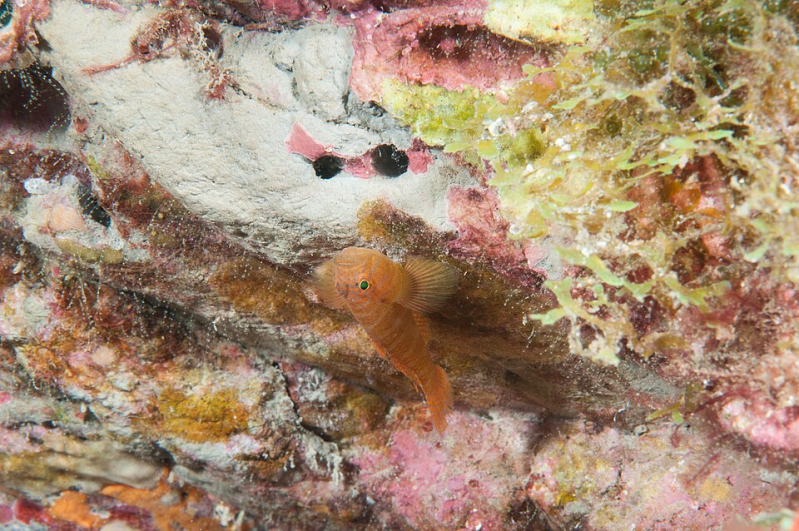
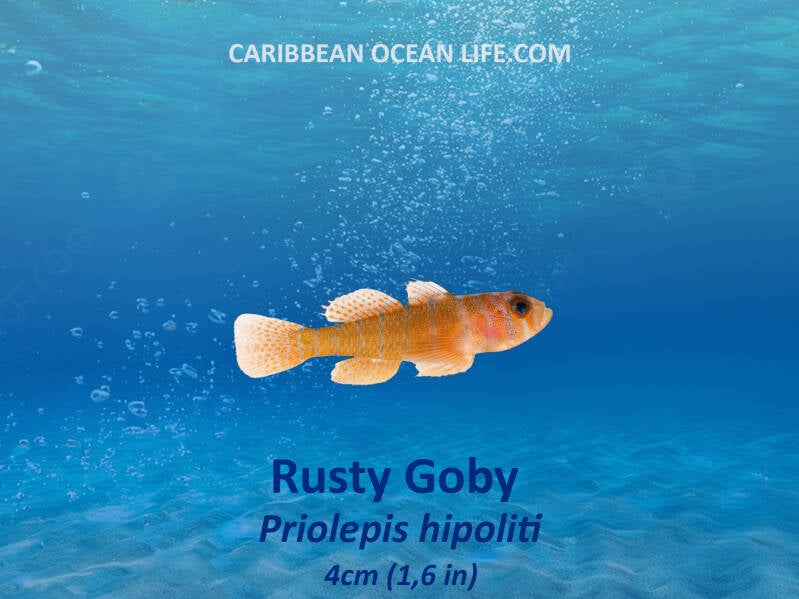
A rusty goby (Priolepis hipoliti) in its signature upside down perch.
What Makes the Rusty Goby Special?
A Secretive Little Reef Dweller
The Rusty Goby prefers the darker side of reef life. It often hides beneath ledges, inside crevices and even upside down on the ceilings of small reef cavities. Its reddish coloration and secretive habits make it much harder to find than many other gobies.
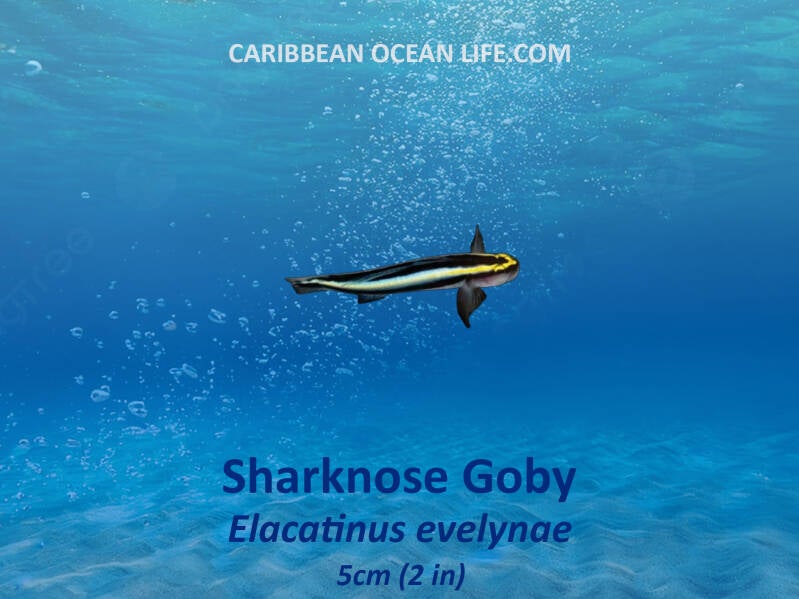
Sharknose Goby
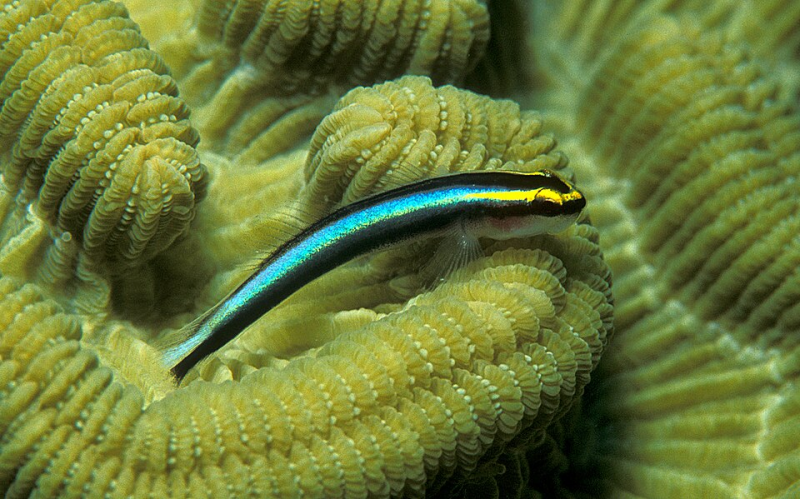
Sharknose goby resting on a boulder brain coral
What Makes the Sharknose Goby Special?
Recognized as a Cleaner
The Sharknose Goby is another specialized cleaner. Its bright blue and yellow markings act almost like an advertisement, helping larger fish recognize it as a helpful cleaner rather than potential prey. It may even venture close to the mouth and gills of its much larger clients.